The Douro Valley is a true year‑round destination, but the experience changes dramatically with the seasons, from almond blossom in late winter to blazing summer heat and the grape harvest in early autumn. This guide walks you through the weather, harvest times, typical temperatures and what you can expect to see in every month, so you can pick the best moment for your trip.
Quick Answer: Best and Worst Times to Go
- Overall best months: April, May, June, September, October and early November, when temperatures are comfortable, landscapes are at their most beautiful and most experiences run normally.
- Peak harvest window: roughly mid‑September to mid‑October, when grape picking and winery activity are at their highest.
- Hottest and harshest heat: July and August, with daytime highs often above 30–35°C and occasional heatwaves reaching over 40°C in parts of the region.
- Coolest and wettest: December to February, with mild but chilly days, colder nights and more frequent rain, plus some tours and river cruises running on limited schedules.
Climate Basics: Temperatures and Rain
The Douro Valley has a Mediterranean‑style climate: hot, dry summers and cool, wetter winters.
- Summer (July–August): average daytime highs around 26–28°C, but heatwaves can push temperatures well above 30°C and occasionally past 40°C in places like Pinhão.
- Winter (December–February): average highs around 11–13°C, with lows around 4–7°C, more humidity and a higher chance of rain.
- Spring and autumn: typically mild, with daytime highs between 16–25°C and cooler nights.
- Rain: November is one of the wettest months, while July is among the driest, often with only a couple of millimetres of rain in the whole month.
Heat‑survival tips for summer: aim vineyard walks and hikes before 10:00 and after 18:00, choose accommodation with air‑conditioning and preferably a pool, wear a hat and light clothing, and drink water throughout the day. In winter and early spring, pack layers, a waterproof jacket and closed shoes, as days can shift quickly between sun and showers.
Season by Season: What You’ll See
| Season / Months | Weather & Temperature | Landscape & Harvest | Pros | Cons |
|---|---|---|---|---|
| Late Winter (Feb–early Mar) | Cool, often sunny; highs around 13–16°C, cold mornings and nights, more chance of rain. | Almond trees in blossom, vines still bare but hills waking up; quiet villages. | Very calm, lowest prices, atmospheric scenery and cosy winery visits. | Short days, some rain, reduced cruise schedules and some hotels/restaurants closed mid‑week. |
| Spring (Mar–May) | Mild to warm; mid‑teens to low 20s °C, some showers but many sunny days. | Lush green hillsides, fresh vine growth, lingering almond blossom early in the season. | Ideal for hiking, tastings and cruises with comfortable temps and growing daylight. | Weather can be changeable; April especially can still bring rainy spells. |
| Summer (Jun–Aug) | Hot and very dry; June pleasant, July–Aug often 26–28°C or higher, with heatwaves above 35–40°C in some areas. | Full greenery, strong sun; grapes swelling and changing colour, river busy with boats. | Long days, guaranteed sun, lively villages and great evenings outdoors by the river. | Midday heat can be extreme; high season crowds and prices, outdoor activities uncomfortable at peak hours. |
| Harvest & Autumn (Sep–Nov) | Sep warm; Oct pleasantly mild; Nov cooler and wetter, especially later in the month. | Grape harvest mid‑Sep to mid‑Oct, winery activity, then spectacular autumn colours across the terraces; later autumn brings olive harvest in some estates. | Most atmospheric time for wine lovers; iconic foliage, great light and many events in Sep–Oct. | Harvest weeks are very busy and expensive; by Nov more rain, fewer activities and quieter villages. |
| Winter (Dec–Feb) | Cool to cold; highs around 11–13°C, lows 4–7°C, more rain and foggy mornings. | Bare vines, misty valleys, crisp views on clear days; very tranquil atmosphere. | Lowest prices, almost no crowds, very intimate tastings and long meals by the fireplace | Short days, higher chance of rain, reduced cruises and some quintas/accommodation closed or on limited hours. |
Late Winter (February–early March): Almond Blossom and Quiet Valleys
- Weather: cool but often sunny; daytime highs around 13–16°C, cold mornings and nights, with a chance of rain.
- Landscape: hillsides start to wake up, and in February the almond trees bloom, covering terraces with snow‑white flowers – a spectacle singled out by local walking companies as “one of Mother Nature’s most memorable shows” in the Douro.
- Crowds and prices: very few tourists, some hotels and restaurants closed mid‑week, and some river cruises reduced or paused, but prices are at their lowest.
Fresh produce & harvests:
- Almond blossom is at its peak from February into early March depending on the year.
- Citrus fruits from northern Portugal can appear in markets, but vineyard work is mainly pruning and preparation rather than picking.
Traveler impressions: some visitors say winter and early spring are perfect “for calm, wines and fireside meals”, as long as you accept a chance of rain and shorter daylight hours.
Spring (March–May): Green Hills, Mild Temperatures
- Weather: daytime temperatures rise into the mid‑teens and low 20s °C in March–April and can reach the mid‑20s °C in May; March and April see more rainy days than summer, but many days are sunny.
- Landscape: vineyards and hillsides turn lush green, with almond blossom early on and fresh vine growth from March onwards.
- Crowds and prices: March is still considered low season, with moderate hotel prices and good availability; April and May begin to feel busier and more expensive, especially around holidays.
What you’ll see:
- March: early spring feel, vineyards slowly budding, and almond trees still an iconic sight.
- April: more stable weather but still a chance of showers; perfect for walking, gentle hikes and uncrowded tastings.
- May: warm, bright and very comfortable, with longer days and ideal conditions for river cruises and outdoor lunches.
Fruit and food:
- Early cherries and other seasonal fruits begin to appear from late spring in some parts of northern Portugal; vineyards focus on canopy growth rather than picking.
Why go: many wine travelers and local guides rate April and May as among the best months overall, combining comfortable temperatures, green scenery and manageable crowds.
Summer (June–August): Long Days and Intense Heat
- Weather: June is warm and generally pleasant, but July and August can be very hot, with average highs around 26–28°C and heatwaves pushing temperatures above 35–40°C in some Douro sub‑regions.
- Rain: July is among the driest months, with minimal rainfall and almost guaranteed sunshine.
- Crowds and prices: summer is high season, particularly August, with busy roads, full hotels and higher prices; harvest‑related demand starts rising late August.
What you’ll see:
- June: full greenery, strong sun, great evenings outdoors and plenty of river activity.
- July: grapes start to change colour and grow sweeter, giving a glimpse of the upcoming harvest; the valley feels dry and sun‑baked by afternoon.
- August: similar to July but even more intense; in some years, early harvest activity for certain grapes can begin at the very end of August, depending on that year’s weather.
Heat and comfort tips:
- Plan walks and vineyard visits early morning (around 06:30–10:30) or in the golden hours before sunset (roughly 18:00–21:00 in mid‑summer).
- Choose hotels with air‑conditioning and a pool; wear breathable fabrics, sunglasses and a wide‑brimmed hat, and carry water everywhere.
Is there a time you “should not go”?
If you are very sensitive to heat, some local experts say late July and August are the least comfortable, especially for hiking and outdoor activities in the middle of the day. However, evenings can still be pleasant by the river, and summer is also a time of festivals and celebrations.
Harvest Season & Autumn (September–November): Grapes, Colours and Festivals
- Main grape harvest: usually mid‑September to mid‑October, sometimes starting as early as late August and occasionally running into late October depending on weather and grape variety.
- Weather: September is warm and often feels like late summer; October brings cooler days and more noticeable autumn colours; November is cooler and wetter but quieter.
- Crowds and prices: harvest weeks (especially September) are among the busiest and most expensive times to visit, with limited availability in popular quintas.
What you’ll see:
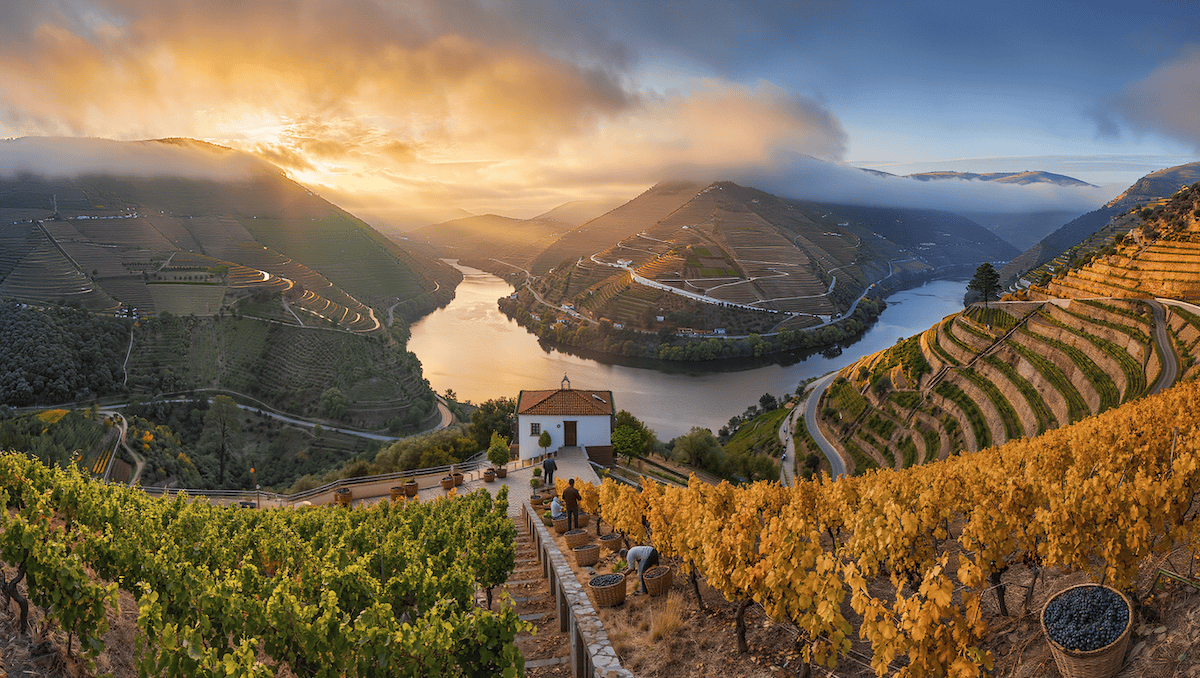
- September: vineyards buzzing with grape picking teams, tractors, crates and in some places traditional foot‑stomping in lagares; warm, golden light and full vines.
- October: harvest may still be underway early in the month, but by late October it’s mostly finished; the standout is the incredible patchwork of autumn colours across the terraces, often cited by locals as one of the most beautiful looks the Douro ever has.
- November: cooler and often wetter, with more empty vineyards, quiet villages and a slower pace; a good time if you value tranquillity over activities.
Other harvests & produce:
- Grapes: white grapes can be picked slightly earlier, red grapes peak later in September; the exact dates shift every year based on temperature and rainfall.
- Olives: many estates harvest olives later in autumn, sometimes overlapping with late grape harvest or following shortly after, offering tastings of new olive oil.
- Figs, apples and other regional fruits appear through late summer and autumn in local markets and traditional desserts.
Traveler impressions: visitors often describe September as “magical but crowded and pricey”, while many say October—with fewer tourists and amazing foliage—is their personal favourite time to see the valley.
Winter (December–February): Misty Mornings and Fireside Wine
- Weather: average daytime highs around 11–13°C, lows down near 4–7°C, with more frequent rain and foggy mornings.
- Landscape: bare vines, soft winter light, and striking views on clear days; hills can look stark but atmospheric.
- Activity level: some quintas and small hotels close part of the week; river cruise schedules are reduced or paused, but wineries that stay open can offer very personal, unhurried experiences.
Why you might go in winter:
- Lowest prices and almost no crowds, with plenty of time to talk to winemakers and enjoy long meals by the fireplace.
Why you might avoid winter:
- Short days, more risk of rain, fewer outdoor experiences (especially cruises) and limited public transport schedules.
Sunrises and Sunsets: When to Go Out
Exact sunrise and sunset times change by month, but traveler guides and local experience suggest some reliable “best windows” for views and photography.
- Late spring and summer (April–August):
- Autumn (September–October):
- Winter (November–February):
In summer, sunset viewpoints can still feel hot until about 19:00, while in winter early evenings cool down quickly, so bring an extra layer.
Real Traveler Feedback on Weather and Seasons
- A detailed local guide ranks months with a simple score system and notes that March, September and October often tie as some of the best balances between weather, prices and availability, with September and October particularly praised for harvest and autumn colours.
- Wine travellers highlight July and August as beautiful but challenging, stressing that temperatures can go into the high 30s or even above 40°C and recommending early‑morning activities, pools and long midday breaks.
- Forum posts about late October trips mention that temperatures are “likely great” but rain can appear at times; however, the leaves are still on the vines and colours are strong even after harvest ends.
- Many repeat visitors say winter stays in the Douro are “wonderful for calm, food and wine” as long as you accept some rainy days and plan more indoor tastings and slow meals instead of hikes or cruises.
How to Choose Your Perfect Time
- Choose April–May if you want green hills, mild weather and fewer crowds.
- Choose June for good weather and long days without the very peak heat of late summer.
- Choose mid‑September to early October if you want harvest activity, busy wineries and vibrant landscapes and don’t mind higher prices.
- Choose October–early November for autumn colours, comfortable temperatures and fewer people after harvest winds down.
- Choose December–March if you value low prices and quiet over guaranteed sunshine and outdoor activities.