Why September-October is the Most Magical Time in Douro Valley
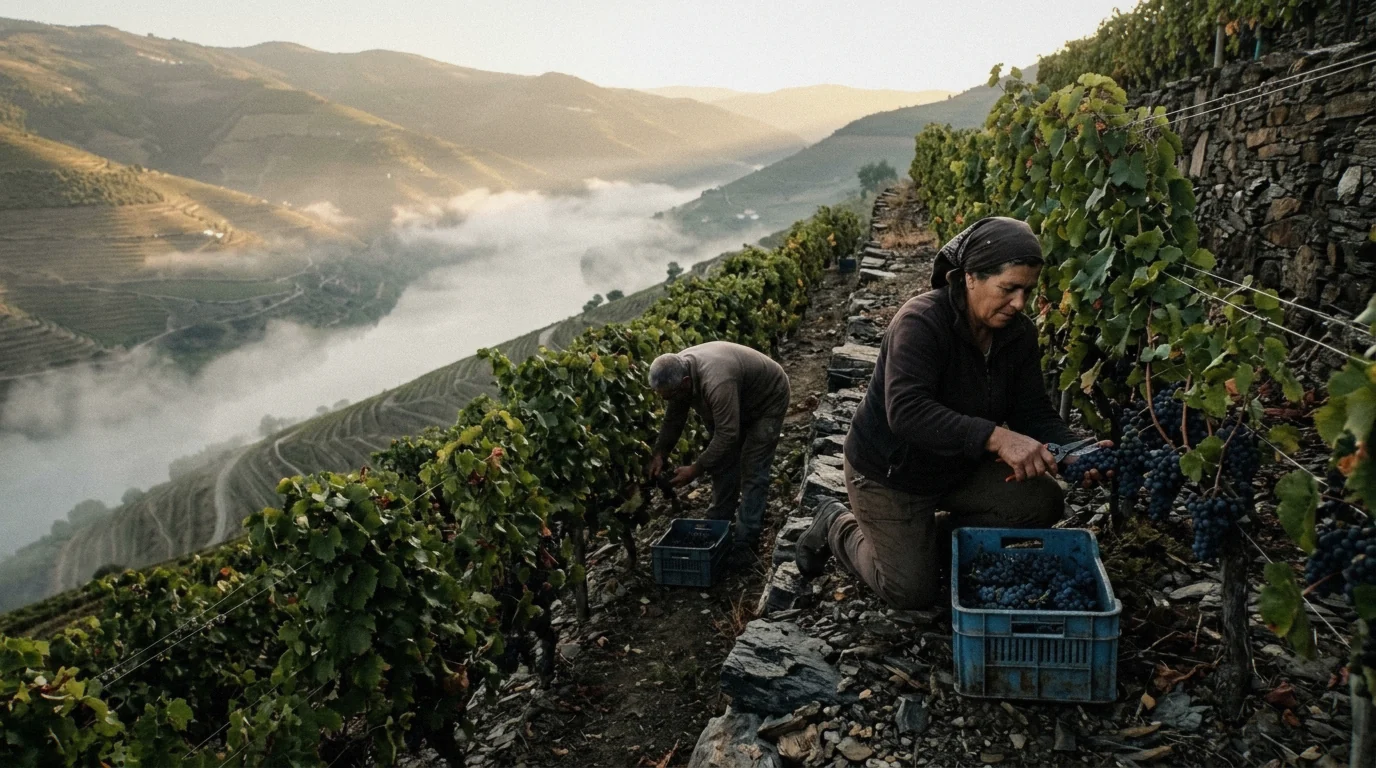
There’s something profoundly special about witnessing the Douro Valley during harvest season. The air hums with anticipation, the vineyards glow in shades of gold and crimson, and centuries-old traditions come alive as families gather to pick grapes by hand—just as their ancestors have done for over 2,000 years.
From late August through October, Portugal’s Douro Valley transforms from a sun-baked summer landscape into a bustling center of winemaking activity. This is vindima season—the annual grape harvest—when the region’s steep terraced vineyards yield the grapes that will become world-renowned Port wine and elegant Douro DOC table wines.

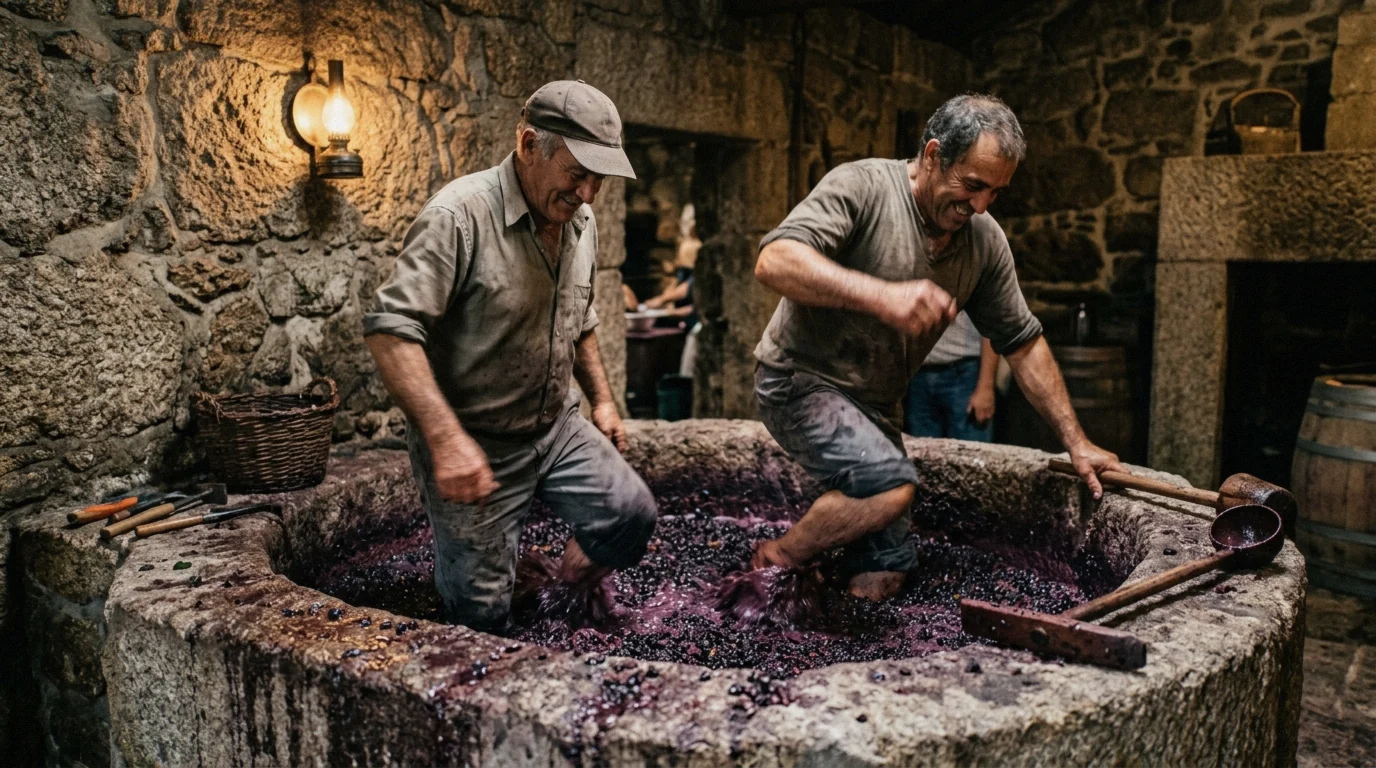
But harvest season in the Douro is more than just agriculture. It’s a cultural celebration featuring traditional foot-treading (pisa a pé) ceremonies, harvest festivals in historic villages, multi-course feasts paired with new wines, and the rare opportunity to participate in winemaking traditions that have remained largely unchanged since Roman times.
Who This Guide Is For:
- Wine enthusiasts seeking authentic vineyard experiences
- Photographers capturing autumn’s golden hour landscapes
- Cultural travelers interested in Portuguese traditions
- Foodies eager to taste seasonal harvest cuisine
- Adventure seekers looking for hands-on experiences beyond typical wine tours
What You’ll Learn:
✓ Exact timing of harvest activities by grape variety and month
✓ How to book authentic grape picking and foot-treading experiences
✓ Seasonal food and wine pairings unique to September-October
✓ Best Quintas (wine estates) offering harvest tours
✓ Practical planning tips: where to stay, how to get there, what to pack
✓ Real tour options with verified links to GetYourGuide and Viator
Understanding Douro Valley Harvest Season: Timing & Traditions
When Does Harvest Season Happen?
Unlike regions with predictable harvest windows, the Douro Valley’s steep slopes, varied microclimates, and diverse grape varieties create a staggered harvest period spanning nearly three months.
General Timeline: Late August through October
Peak Period: Mid-September to early October (when red grape harvest is in full swing)
Extended Season: Some late-harvest grapes for fortified Port wines continue into early November
Key Factors Affecting Timing:
- Altitude: Higher elevation vineyards harvest later (grapes ripen more slowly in cooler temperatures)
- Grape variety: White grapes are picked first, followed by red varietals
- Weather patterns: Hot, dry summers advance harvest dates; cooler, wetter conditions delay them
- Vineyard location: South-facing slopes receive more sun and ripen earlier
- Winemaker decisions: Sugar levels, acidity, and tannin development dictate exact picking dates
Douro Valley Harvest Calendar by Grape Variety
| Grape Variety | Typical Harvest Period | Wine Type | Key Characteristics |
|---|---|---|---|
| White Grapes (Rabigato, Viosinho, Gouveio, Malvasia Fina) | Late August – Early September | White Douro DOC wines, White Port | Harvested first to preserve fresh acidity and floral aromatics; morning picking essential |
| Red Grapes (Touriga Nacional, Touriga Franca, Tinta Roriz, Tinta Barroca) | Mid-September – Early October | Red Douro DOC wines, Ruby/Tawny Port | Peak harvest period; thick-skinned varieties need full ripeness for tannin balance |
| Late-Harvest Grapes (Select parcels of Touriga Nacional, old vine Tinta Roriz) | Mid-October – Late October | Premium Vintage Port, Late Bottled Vintage (LBV) | Extended hang time concentrates sugars; risk of rain but rewards with intensity |
What Happens During Harvest (Vindima)?
Morning: Grape Picking in Vineyards (Dawn – 11:00 AM)
Harvest begins at first light to take advantage of cool morning temperatures. Grapes picked in the heat lose acidity and can start fermenting prematurely—a disaster for quality winemaking.
The Process:
- Hand-selection: Pickers (vindimadores) carry traditional woven baskets (cestos) through terraced rows
- Cluster-by-cluster assessment: Only fully ripe bunches are cut; unripe or damaged grapes left on vines
- Gentle handling: Grapes placed—not thrown—into baskets to avoid premature crushing
- Transport to Quinta: Baskets carried on shoulders down steep slopes to waiting trucks (some estates still use mule trains for inaccessible terraces)
Midday: Sorting & Processing (11:00 AM – 3:00 PM)
At the winery (adega), grapes undergo meticulous quality control:
- Sorting tables remove leaves, stems, and under-ripe fruit
- Destemming machines separate berries from stems (traditional method: done by hand)
- Gentle crushing releases initial juice without breaking bitter seeds
Evening: Foot-Treading (Pisa a Pé) (7:00 PM – 11:00 PM)
This is the moment everyone waits for—the ancient tradition that defines Douro winemaking.
Why Foot-Treading Still Matters:
Despite modern technology, premium Port wine producers insist on traditional foot-treading for their best wines. Here’s why:
✓ Gentler extraction: Human feet crush grapes without breaking seeds (which release harsh tannins)
✓ Better color and flavor: Controlled pressure extracts maximum color from skins while maintaining elegant tannin structure
✓ Temperature control: Body heat from treaders helps initiate fermentation naturally
✓ Cultural continuity: UNESCO recognizes Douro winemaking traditions as intangible cultural heritage
The Ceremony:
At sunset, workers (and lucky tourists) gather around massive granite lagares—shallow stone tanks holding 2-4 tons of crushed grapes. What follows is part work, part celebration:
- Phase 1 – Corte (The Cut): 90 minutes of organized, rhythmic treading in parallel lines, crushing grapes methodically
- Phase 2 – Liberdade (Freedom): After the hard work, music begins—traditional folk songs, accordion music, and free-form dancing in the grape must
- Throughout: Generous pours of last year’s Port fuel the energy and camaraderie
Modern vs. Traditional Methods:
| Aspect | Traditional (Lagares) | Modern (Mechanical) |
|---|---|---|
| Used for | Premium Vintage Ports, top-tier wines | Entry-level wines, high-volume production |
| Extraction method | Human feet (gentle, selective) | Mechanical pumps and pistons |
| Fermentation start | Slow, natural (24-48 hours) | Controlled, immediate |
| Labor requirement | 20-30 people per lagar | 2-3 technicians |
| Cost | High (labor-intensive) | Lower (automated) |
| Wine character | Complex, elegant tannins | Consistent, fruit-forward |
Many Quintas operate both systems side-by-side, allowing visitors to compare wines made each way.
Douro Valley Month-by-Month Harvest Guide
LATE AUGUST: Pre-Harvest Anticipation
What’s Happening in the Vineyards:
- Winemakers conduct daily sugar (Brix) and acidity tests on grape samples
- White grape varieties show first signs of veraison (color change indicating ripeness)
- Estate managers finalize picker schedules and lagar preparations
- Traditional wooden fermentation vats cleaned and inspected
- Weather forecasts obsessively monitored (rain before harvest is disaster)
What You Can Experience:
✓ Intimate pre-harvest vineyard tours with winemakers explaining ripeness decisions
✓ Tastings of previous vintages while discussing upcoming harvest predictions
✓ Photography opportunities: sun-baked golden landscapes, low tourist crowds
✓ Swimming and relaxation at Quinta pools before the harvest frenzy begins
Weather & Landscape:
- Temperature: 25-35°C (77-95°F) during day, cooling to 18-22°C (64-72°F) at night
- Conditions: Hot, dry, cloudless skies; intense afternoon sun
- Vineyard appearance: Grapes fully formed, leaves still green, dust on access roads
- Douro River: Low water levels, slow-moving, ideal for boat cruises
Food & Gastronomy:
Late summer produce dominates menus:
- Heirloom tomatoes with olive oil and flor de sal
- Grilled sardines (traditional Portuguese summer staple)
- Fresh figs with Serra da Estrela cheese
- Gazpacho (cold soup) variations
- Stone fruit tarts (peaches, plums, apricots)
Wine Pairings:
- Crisp Vinho Verde with seafood
- Chilled Douro white wines (Gouveio, Rabigato)
- Rosé Port as aperitif
Best Tours for Late August:
Standard wine tours without harvest-specific activities, but excellent for:
- Quieter estate visits (September crowds haven’t arrived)
- Learning winemaking theory before seeing it in practice
- Securing September/October harvest tour bookings (book 6-8 weeks ahead!)
Recommended Tour:
From Porto: Douro Valley w/ Boat Tour, Wine Tasting & Lunch
Duration: 8-10 hours | Price: From $88 USD | Includes: Porto pick-up, 2 winery visits, Rabelo boat cruise, traditional lunch, wine tastings | Rating: 4.7/5 (19,100+ reviews)
SEPTEMBER: Harvest Begins – White Grapes & Early Reds
Week 1-2: White Grape Harvest (Sept 1-15)
The valley awakens to the sound of vineyard workers at dawn. White grape varieties—Rabigato, Viosinho, Gouveio, and Malvasia Fina—are picked first to capture their delicate aromatics and refreshing acidity.
What’s Happening:
- Morning grape picking (5:30 AM start times)
- Immediate pressing to preserve freshness
- First fermentation tanks begin bubbling
- Winemakers taste fermenting must daily
Week 3-4: Red Grape Harvest Begins (Sept 16-30)
As September progresses, attention shifts to the valley’s famous red varieties. This is when things get exciting—harvest crews swell, lagares are filled, and the first foot-treading sessions begin.
Typical Daily Schedule at a Quinta:
- 5:30 AM: Pickers depart for vineyards with headlamps
- 10:00 AM: First grape loads arrive at winery
- 12:00 PM: Traditional harvest lunch for workers
- 2:00 PM: Afternoon picking shift (if weather permits)
- 6:00 PM: Final grape delivery, sorting complete
- 8:00 PM: Foot-treading begins in lagares
- 10:30 PM: Treading winds down, wine settling overnight
What You Can Experience:
✓ Hands-on grape picking in designated tourist-friendly vineyard plots
✓ First foot-treading sessions of the season (limited availability, book early!)
✓ Harvest worker lunches – authentic, hearty meals served family-style in vineyard settings
✓ Village harvest festivals – Santos Populares celebrations with folk music, street dancing
✓ Fresh grape juice (mosto) tastings – sweet, unfermented juice straight from press
✓ “Crush pad” tours – behind-the-scenes access to sorting, destemming, crushing processes
Weather & Landscape:
- Temperature: 20-28°C (68-82°F), cooling significantly from August
- Conditions: Mix of sunny days and occasional cloud cover; lower humidity
- Vineyard appearance: Leaves beginning autumn transition (yellows, oranges appearing); grape clusters thinning as picked rows evident
- Activity level: HIGH – roads busy with harvest trucks, villages energized
Food & Gastronomy:
Harvest Season Begins – Traditional Worker Fare:
The meals served to harvest crews represent authentic Douro Valley cuisine—hearty, simple, and designed to fuel long days of physical labor.
Typical Harvest Lunch Menu:
- Caldo verde: Traditional Portuguese kale soup with chorizo and potatoes
- Cozido à portuguesa: Mixed meat and vegetable stew (pork, beef, chicken, sausages, cabbage, carrots, turnips)
- Arroz de feijão: Bean rice with pork ribs
- Bacalhau com natas: Salted cod with cream and potatoes (Friday tradition)
- Pão caseiro: Homemade bread baked in wood-fired ovens
- Seasonal fruit: Figs, melons, late-season peaches
Wine served: Simple, young Douro red table wine (não declarado) in ceramic pitchers
Evening/Tourist Menus Begin Featuring:
- Roasted lamb with herbs and roasted potatoes
- Grilled octopus with olive oil and paprika
- Wild mushroom risotto (season beginning)
- Cheese plates: Serra da Estrela, Azeitão, aged goat cheeses
Festivals & Cultural Events:
Festa das Vindimas (Harvest Festivals):
Throughout September, villages across the Douro host harvest celebrations—some dating back centuries. Expect:
- Traditional folk music (accordion, guitar, vocals)
- Circle dancing in village squares (audience participation encouraged!)
- Street markets selling local crafts, honey, preserves, dried fruits
- Blessing of grapes ceremony at village churches
- Fireworks displays on festival final nights
Notable Festivals:
- Peso da Régua: Large-scale festival with concerts, food vendors, wine tastings
- Pinhão: Riverside celebration with Rabelo boat parades
- Small villages: More intimate, family-oriented gatherings
Best September Harvest Tours:
1. Complete Douro Valley Wine Tour with Lunch, Wine Tastings and River Cruise (Viator)
Duration: 10 hours
Price: From $100 USD
Rating: 4.8/5 (12,989 reviews)
What’s Included:
- Porto hotel pick-up and drop-off
- Visit to 2 traditional Quintas with guided tours
- Wine tasting of 10+ wines (whites, reds, Ports)
- Traditional 3-course Portuguese lunch with wine pairings
- 1-hour Rabelo boat cruise on Douro River
- Scenic viewpoints: São Leonardo da Galafura, Casal de Loivos
- English-speaking guide with winemaking expertise
Why Book for September:
While this tour operates year-round, September bookings often coincide with harvest activities. Guides will arrange visits to estates actively harvesting, and you may witness grape sorting, crushing, and early fermentation processes not visible other months.
2. Douro Valley: Historical Sites, Wine Experience, Lunch & Cruise (GetYourGuide)
Duration: 10 hours
Price: From $106 USD
Rating: 4.8/5 (5,146 reviews)
What’s Included:
- Small-group tour (maximum 8 people for intimate experience)
- Porto hotel pick-up and drop-off
- Visit to historical Douro villages (Peso da Régua, Pinhão)
- 2 winery visits with cellar tours
- Wine tasting of 8+ regional wines
- Traditional Portuguese lunch with wine
- Douro River cruise on traditional Rabelo boat
- Photo stops at panoramic viewpoints
- Expert local guide
September Harvest Bonus:
This tour partners with estates that welcome visitors during active harvest. Depending on exact dates, you may see grape sorting operations, meet harvest crews, and watch the crush pad in action. The guide will adjust the itinerary to showcase whatever harvest activities are happening that day.
3. Private Douro Valley Grape Harvest Tour: Grape Stomping, Wine Tasting, Lunch (Viator) – HARVEST-SPECIFIC
Duration: 10 hours
Price: From $100 USD per person (private tour, price varies by group size)
Rating: 4.8/5 based on verified bookings
Availability: September-October ONLY
What’s Included:
- Private vehicle with English-speaking driver/guide
- Porto hotel pick-up and drop-off
- Hands-on grape picking in designated vineyard rows
- Foot-treading experience in traditional stone lagar
- Winery tour explaining harvest and fermentation process
- Traditional harvest lunch with wine pairings
- Wine tasting session (6+ wines)
- Visit to 2 scenic Douro viewpoints
- Bottled water throughout day
What Makes This Special:
This is one of the few tours explicitly designed around harvest participation. You’re not just watching—you’re harvesting grapes alongside workers (usually 30-45 minutes), then stomping them in an authentic lagar setting. The experience culminates with a traditional harvest feast featuring dishes actually served to vineyard workers.
Important Notes:
- Book minimum 2 weeks in advance (harvest schedules finalized closer to date)
- Wear comfortable clothes that can get stained (grape juice is permanent!)
- Bring closed-toe shoes for vineyard, sandals/flip-flops for treading
- Not suitable for pregnant women or people with mobility issues
OCTOBER: Peak Harvest & Foot-Treading Season
Week 1-2: Red Grape Harvest Intensifies (Oct 1-15)
October is when the Douro Valley reaches its harvest crescendo. Every Quinta is operating at full capacity, lagares are filled nightly, and the valley takes on a golden, rust, and amber palette that photographers dream about.
What’s Happening in Vineyards:
- Peak red grape harvest (Touriga Nacional, Touriga Franca, Tinta Roriz at optimal ripeness)
- Multiple picking crews working simultaneously across different parcels
- Sorting tables running from dawn to dusk
- Lagares filled every evening—this is when foot-treading is most accessible
- Some estates host “open lagar” nights where visitors can join spontaneously (rare, but magical)
What You Can Experience:
✓ Maximum foot-treading opportunities – Nearly every estate with lagares offers evening sessions
✓ Harvest finale celebrations – End-of-season parties with live music, feasts, traditional costumes
✓ Fermentation cellar tours – See, smell, and hear active wine fermentation (bubbling tanks, CO2 release, sweet-yeasty aromas)
✓ Exclusive harvest dinners – Multi-course meals at prestigious Quintas, often hosted by winemaker families
✓ Autumn foliage photography – Peak color change creates Instagram-perfect vineyard landscapes
✓ “New wine” (vinho novo) tastings – Cloudy, slightly fizzy wines still undergoing fermentation
Weather & Landscape:
- Temperature: 15-23°C (59-73°F), pleasant and mild
- Conditions: Mostly sunny with occasional rain showers; mornings can be misty over the river
- Vineyard appearance: Peak autumn colors—deep golds, burnt oranges, crimson reds contrasting with dark grape clusters
- Lighting: Lower angle of sun creates dramatic shadows and golden hour effects lasting 2+ hours
- Shorter days: Sunset around 7:00 PM (vs. 9:00 PM in summer)
Food & Gastronomy:
October brings a transition to heartier, autumn-forward cuisine that pairs beautifully with the new vintage’s robust reds.
Autumn Harvest Feast Menu (Typical at Quinta Celebrations):
Starters:
- Sopa de castanhas (chestnut soup with bacon)
- Wild mushroom bruschetta with olive oil
- Presunto (Portuguese cured ham) with melon or figs
Main Courses:
- Borrego assado (roasted lamb) with rosemary and garlic, roasted potatoes
- Cabrito assado (roasted kid goat) – traditional harvest celebration meat
- Bacalhau à Brás – shredded salted cod with matchstick potatoes and scrambled eggs
- Arroz de pato (duck rice) – slow-cooked duck with chorizo and orange-scented rice
Sides:
- Roasted autumn vegetables (pumpkin, squash, root vegetables)
- Grelos salteados (sautéed turnip greens with garlic)
- Pão de centeio (rye bread) from wood-fired ovens
Desserts:
- Pão de ló (Portuguese sponge cake) – traditional Douro dessert
- Arroz doce (rice pudding) with cinnamon
- Tarte de maçã (apple tart) with Port wine reduction
- Roasted chestnuts served with aguardente (Portuguese firewater)
Cheese Course:
- Serra da Estrela (soft, sheep’s milk cheese)
- Queijo de cabra (aged goat cheese)
- Served with quince paste (marmelada) and honey
Wine Pairings:
- With starters: Douro white wine (Viosinho, Gouveio blends)
- With lamb/goat: Full-bodied Douro red (Touriga Nacional-dominant)
- With duck: Aged Tawny Port (10 or 20-year)
- With dessert: Vintage Port or Late Bottled Vintage (LBV)
- Digestif: Aguardente bagaceira (grape marc spirit) or aged brandy
Seasonal Delicacies Unique to October:
Chestnuts (Castanhas):
October marks the beginning of chestnut season. Look for:
- Fresh roasted chestnuts from street vendors
- Chestnut soups and purées
- Chestnut-stuffed meats
- Traditional chestnut cakes
Wild Mushrooms:
Autumn rains bring mushroom foragers to Douro forests:
- Boletus edulis (porcini)
- Chanterelles
- Black trumpet mushrooms
- Prepared simply: grilled with garlic and parsley, or in creamy risottos
Game Meats:
Hunting season begins, adding wild proteins to menus:
- Wild boar (javali) stews
- Rabbit with wine sauce
- Partridge roasted with grapes
- Venison with red wine reduction
Pumpkin & Squash:
Featured in traditional dishes:
- Roasted pumpkin with honey and cinnamon
- Pumpkin rice (arroz de abóbora)
- Squash and bean stews
New Wine (Vinho Novo):
In late October, some estates begin offering tastings of “vinho novo”—wine that’s barely finished primary fermentation. Characteristics:
- Cloudy appearance (yeast still suspended)
- Slightly fizzy texture (residual CO2 from fermentation)
- Intensely fruity, grapey flavors
- Low alcohol (often 10-12%)
- Must be consumed within days (unstable, will continue fermenting)
This is a rare treat—wine in its rawest, most alive form, never bottled or sold commercially.
Festivals & Cultural Events in October:
Harvest Finale Celebrations:
As the last grapes come in, Quintas host thanksgiving-style celebrations:
What Happens:
- Traditional folk bands play accordion, guitar, and percussion
- Circle dancing (groups of 20-30 people holding hands, synchronized steps)
- Costume displays (women in traditional embroidered shawls, men in period harvest attire)
- Blessing ceremonies thanking the land for the year’s yield
- Communal meals served on long tables outdoors (weather permitting)
- Fireworks or bonfires to mark the season’s end
Village Festivals:
- São Martinho Preparation (Nov 11): Late October sees markets selling chestnuts, new wine, and roasted meats in anticipation of this major Portuguese holiday
- Peso da Régua Harvest Fair: Usually mid-October, featuring wine competitions, tastings, artisan markets
- Pinhão Vindima Procession: Costumed parade through town, ending at riverside with music and dancing
Best October Harvest Tours:
1. Douro Valley Tour: 2 Vineyard Visits, River Cruise, Winery Lunch (Viator)
Duration: 10 hours
Price: From $100 USD (varies by group size)
Rating: 4.9/5 (3,570 reviews)
Group Size: Small group (max 8 people)
What’s Included:
- Porto hotel pick-up and drop-off (private minivan)
- Visit to 2 family-owned Quintas
- Harvest season bonus: If visiting in October, tour includes vineyard walk during active harvest with opportunity to taste grapes straight from vine
- Winery lunch at estate overlooking Douro River (3 courses + wine)
- Wine tasting of 8+ wines (whites, reds, Ports)
- Traditional Rabelo boat cruise (1 hour)
- Scenic photo stops at Casal de Loivos and São Leonardo viewpoints
- English-speaking guide
Why Book for October:
This tour’s small group size and flexible itinerary means the guide can incorporate harvest activities happening that specific day. Past October reviews mention witnessing foot-treading preparations, meeting winemakers covered in grape must, and tasting wines mid-fermentation directly from barrels.
2. From Porto: 2 Wine Regions, Farm-to-Table Lunch & Boat (GetYourGuide) – TOP PICK
Duration: 9-10 hours
Price: From $94 USD
Rating: 4.9/5 (5,754 reviews) ⭐ Highest-rated Douro tour on GetYourGuide
Group Size: Small group
What’s Included:
- Round-trip transportation from Porto in comfortable minivan
- Visit to 2 wine regions in one day: Vinho Verde region + Douro Valley
- Farm-to-table chef’s lunch at estate overlooking Douro River (locally sourced ingredients, seasonal menu)
- Wine tastings at 2 estates (10+ wines total)
- Vineyard walk with glass of wine in hand
- Traditional Rabelo boat cruise
- Visit to historic villages
October Harvest Advantage:
The farm-to-table lunch in October showcases seasonal harvest cuisine—expect dishes featuring chestnuts, wild mushrooms, pumpkin, and game meats. The estate’s own wines are paired with each course, often including just-released wines from the previous vintage.
Special Note: This tour visits estates in both Vinho Verde (lower Douro, where harvest finishes earlier) and upper Douro Valley (where October is peak season), giving you perspective on how harvest timing varies by region and altitude.
3. Porto: Douro Valley Tour with Lunch, Boat Cruise & Tastings (GetYourGuide) – BEST VALUE
Duration: 9.5-10 hours
Price: From $88 USD
Rating: 4.7/5 (1,354 reviews)
Group Size: Small group (max 8)
Porto Pick-Up: Included
What’s Included:
- Hotel pick-up and drop-off in Porto
- Visit to 2 traditional Douro Quintas
- Guided winery tours explaining harvest and winemaking
- Wine tasting of 8-10 wines
- 3-course traditional lunch with wine
- 1-hour Rabelo boat cruise
- Scenic viewpoint stops
Best for October Because:
This tour’s timing (9.5-10 hours) allows for a relaxed pace where the guide can add spontaneous stops if interesting harvest activities are visible from the road. Past reviews mention impromptu stops to watch grape trucks being unloaded, workers singing during treading, and photo opportunities with harvest crews.
Budget-Friendly: At $88, this is one of the most affordable full-day Douro tours that still includes everything (transportation, tastings, lunch, cruise).
4. Porto: Douro Valley with Winery Lunch, Tastings & Cruise (GetYourGuide) – PREMIUM OPTION
Duration: 10 hours
Price: From $98 USD
Rating: 4.7/5 (7,025 reviews)
Group Size: Small group
Porto Pick-Up: Included
What’s Included:
- Comfortable minivan with air conditioning and WiFi
- Visit to 3 wine estates (more than most tours)
- Winery lunch at prestigious Quinta (not restaurant—you eat where wine is made)
- Wine tasting of 12+ wines across three estates
- Douro River cruise on traditional Rabelo boat
- Visit to Pinhão (heart of Douro wine country)
- Scenic photo stops
October Premium Experience:
The third winery visit (not included on budget tours) often features smaller, family-run estates that are most welcoming during harvest season. These intimate visits may include meeting the winemaker’s family, tasting wines from their personal cellar, and seeing harvest traditions passed through generations.
EARLY NOVEMBER: Post-Harvest Reflection & São Martinho
What’s Happening (Nov 1-15):
- Harvest complete; final pressing and sorting finished
- Wine fermentation visible in cellar tours (bubbling tanks, sweet-yeasty aromas throughout adegas)
- Vineyard workers begin post-harvest maintenance (pruning preparation, terracing repairs)
- São Martinho Festival (November 11): Portugal’s version of Thanksgiving, celebrating new wine and chestnuts
- Winemakers conduct daily tastings of fermenting wines, adjusting temperatures and monitoring progress
What You Can Experience:
✓ Post-harvest winery tours – See active fermentation in progress (bubbling tanks, foam on wine surfaces)
✓ São Martinho Festival celebrations – Traditional holiday featuring roasted chestnuts, água-pé (partially fermented grape must), roasted meats
✓ Quieter, more intimate winery visits – Harvest tourists gone; locals and serious wine enthusiasts remain
✓ Early barrel tastings – Taste new vintage wines directly from fermentation tanks (cloudy, still evolving)
✓ Winemaker conversations – With harvest pressure off, winemakers have time for in-depth discussions about the vintage
✓ Olive harvest – Olive groves begin harvest; taste fresh olive oil with bread and wine
Weather & Landscape:
- Temperature: 10-18°C (50-64°F), noticeably cooler
- Conditions: More frequent rain; misty mornings; shorter days
- Vineyard appearance: Late autumn/early winter—vines mostly bare, leaves fallen, golden/brown tones replacing vibrant colors
- Atmosphere: Quieter, reflective; valley returning to winter rhythm
- River: Water levels rising from autumn rains; boats less frequent
Food & Gastronomy:
São Martinho Traditional Menu (November 11):
This centuries-old festival celebrates the legend of São Martinho (St. Martin), who shared his cloak with a beggar. Tradition says this act brought a brief return of warm weather (“Verão de São Martinho” – St. Martin’s Summer).
Traditional Dishes:
- Castanhas assadas (roasted chestnuts) – THE centerpiece food, roasted over open flames
- Água-pé or jeropiga – Sweet, partially fermented grape must (between juice and wine, ~5-8% alcohol)
- Carne de porco assada (roasted pork) – Whole pig roasted on spit
- Ganso assado (roasted goose) – Traditional in northern Portugal
- Chouriço assado (grilled chorizo) flambéed with aguardente
- Broa de milho (corn bread) with olive oil
- Vinho novo (new wine) – This year’s wine, barely fermented
Comfort Food Season:
- Bean stews (feijoada)
- Cabbage and potato soups
- Root vegetable roasts
- Hearty casseroles
Wine Pairings:
- Vinho novo with chestnuts
- Previous year’s Douro reds with roasted meats
- Tawny Port with desserts
The Foot-Treading Experience (Pisa a Pé): Complete Guide
History & Cultural Significance
Foot-treading isn’t a tourist gimmick—it’s a 2,000-year-old winemaking technique that remains scientifically superior for producing premium Port wine.
Historical Timeline:
Pre-Roman Era: Archaeological evidence suggests Iberian tribes used foot-treading for wine production
Roman Occupation (138 BC – 5th Century AD): Romans formalized lagar construction, built stone tanks still used today
Medieval Period: Monasteries refined techniques; monks documented foot-treading schedules and rhythms
18th-19th Century: Port wine trade boom made Douro foot-treading famous worldwide
20th Century: Mechanization threatened tradition; only premium producers maintained lagares
21st Century: UNESCO recognition (2001) as Intangible Cultural Heritage revived interest; now a protected tradition
Why It’s Still Practiced for Premium Port:
Modern wine science validates what winemakers knew intuitively:
1. Gentler Extraction:
- Human feet crush grapes without breaking seeds (which contain harsh, bitter tannins)
- Mechanical crushers can’t replicate this selective pressure
- Result: smoother, more elegant wines
2. Better Color and Flavor Development:
- Controlled, rhythmic pressure extracts maximum anthocyanins (color compounds) from grape skins
- Tannins are extracted slowly, integrating smoothly with fruit flavors
- Result: deep color without astringency
3. Natural Temperature Control:
- Body heat from 20-30 people treading generates warmth that kick-starts fermentation naturally
- No need for external heating/cooling during initial phase
- Result: consistent fermentation start
4. Microbial Diversity:
- Traditional lagares harbor generations of native yeasts embedded in porous granite
- These indigenous yeasts contribute unique flavor complexity
- Modern stainless steel can’t replicate this microbial terroir
5. Oxygenation:
- Foot movement aerates grape must, helping yeast multiply vigorously
- More controlled than mechanical pumping
- Result: healthy, complete fermentation
The Process Step-by-Step: What Actually Happens
Typical Evening Foot-Treading Schedule:
| Time | Activity | Duration | What Happens |
|---|---|---|---|
| 6:30 PM | Arrival & welcome | 30 min | Aperitif (Port wine or sparkling), introduction to estate history, safety briefing |
| 7:00 PM | Winery tour | 45 min | Visit barrel rooms, fermentation cellar, see previous years’ Ports aging, learn about estate’s winemaking philosophy |
| 7:45 PM | Traditional dinner | 60-90 min | Multi-course Portuguese feast: soup, salad, main course (roasted meat), dessert, wine pairings throughout |
| 9:15 PM | Preparation for treading | 15 min | Change into shorts/suitable clothing, wash feet thoroughly at designated stations, receive instructions on treading technique |
| 9:30 PM | Phase 1: Corte (The Cut) | 60-90 min | Organized, rhythmic treading in parallel lines; participants link arms, stomp in unison to leader’s rhythm |
| 11:00 PM | Phase 2: Liberdade (Freedom) | 30-45 min | Music begins (accordion, guitars); free-form dancing and stomping; singing traditional folk songs |
| 11:45 PM | Final tasting & farewell | 30 min | Sample freshly trodden grape juice (mosto), wash feet, souvenir photos, certificate of participation |
Phase 1: Corte (The Cut) – Serious Work
What Happens:
This is the methodical, labor-intensive phase that actually crushes the grapes.
Technique:
- Formation: Participants form parallel lines across the lagar (usually 4-6 lines of 5-7 people each)
- Arm-linking: Each person links arms with neighbors for stability
- The Rhythm: A leader (often the winemaker or head cellar worker) sets the pace with a rhythmic chant or song
- Synchronized Stomping: Everyone lifts and stomps together, moving forward slowly across the lagar
- Turn and Repeat: At the lagar’s end, the line turns and treads back
Physical Experience:
- First 10 minutes: Grapes feel cool, firm, slippery; whole clusters resist under feet
- After 20 minutes: Grapes fully crushed; ankle-deep in warm, thick must; skins floating; juice coating legs
- After 40 minutes: Must becomes soup-like consistency; seeds sinking to bottom; physical fatigue setting in
- After 60 minutes: Most grapes crushed; rhythmic stomping now maintaining consistency and aerating must
Why It’s Called “The Cut”:
The systematic, organized treading “cuts through” the grape mass, ensuring even crushing across the entire lagar. No grape cluster escapes; all receive equal pressure.
Phase 2: Liberdade (Freedom) – Celebration
After 60-90 minutes of serious work, the mood shifts dramatically.
What Happens:
Music Starts:
- Traditional accordion (concertina) music begins
- Guitars join in (often Portuguese guitarra or Spanish-style acoustic)
- Rhythmic percussion (tambourines, hand drums)
Dancing Begins:
- Structured lines break up
- Participants dance freely in the grape must
- Traditional folk dances (circle dances, partner dances)
- Splashing, laughing, celebrating
Songs:
Workers teach traditional vindima songs, often call-and-response format:
Example (translated from Portuguese):
Leader: “From the mountain to the valley!”
Group: “We stomp the grapes together!”
Leader: “The wine will flow like rivers!”
Group: “Porto’s gold, the Douro’s treasure!”
Physical Experience:
- Must now warm (body heat + fermentation starting)
- Purple-stained legs up to knees
- Grape skins and seeds squishing between toes
- Sweet, yeasty aroma filling the air
- Sense of timeless tradition and community
Duration:
Freedom phase typically lasts 30-45 minutes, until:
- Energy naturally wanes
- Must fully homogenized
- Winemaker satisfied with consistency
What to Wear & Bring: Essential Packing List
Clothing for Treading:
Must-Have:
- Shorts or swim trunks/swim bottoms – You’ll be knee-deep in grape juice
- Comfortable, expendable t-shirt or tank top – Will get permanently stained
- Sports bra (for women) – It’s physical work; you’ll want support
- Complete change of clothes – Pack separately in plastic bag
Avoid:
- Long pants (too hot, get soaked, restrict movement)
- White or light-colored clothing (grape stains are permanent)
- Expensive clothing (it will be ruined)
Footwear:
For Treading:
- You’ll be completely barefoot in the lagar
- No exceptions (foot oils/lotions would contaminate wine)
To Bring:
- Flip-flops or sandals – For before/after, easy to wash grape-stained feet
- Closed-toe shoes – For winery tour portion (if included)
Other Essentials:
Must Bring:
- Large towel – For drying feet thoroughly after washing
- Plastic bag – For wet, stained clothes
- Hair tie – If you have long hair (keeps it out of grape must)
- Camera/smartphone – Waterproof case highly recommended (splashing happens!)
- Small bottle of water – Treading is surprisingly thirsty work
Optional But Recommended:
- Headlamp or small flashlight – Lagares often dimly lit; useful for nighttime foot washing
- Baby wipes – For quick cleanup before changing clothes
- Moisturizer – Grape acid can dry out skin
What NOT to Bring:
- Jewelry (will get stained, potentially lost in must)
- Expensive watches
- Contact lenses (risk of grape juice splash)
Physical Requirements & Health Considerations
Fitness Level Required:
Moderate fitness needed:
- Able to stand and move continuously for 90-120 minutes
- Comfortable with repetitive leg movements (like low-impact aerobics)
- Balance sufficient to stomp while linking arms with others
Comparable Activities:
- Less strenuous than: Hiking, jogging, intense dancing
- Similar to: Water aerobics, brisk walking, light cardio
- More strenuous than: Casual walking, wine tasting
Who Should NOT Participate:
Medical Contraindications:
- Pregnant women (physical exertion + alcohol environment)
- People with severe balance/mobility issues
- Those with heart conditions (consult doctor first)
- Anyone with open wounds, cuts, or infections on feet/legs
- People with severe varicose veins (standing + pressure)
Practical Limitations:
- Cannot comfortably stand for 2+ hours
- Claustrophobic (lagares can feel enclosed with 30 people)
- Severe germophobia (you’re in shared grape juice with others)
Age Considerations:
- Minimum age: Usually 18+ (due to alcohol environment); some family-friendly estates allow 12+ with parent
- Maximum age: No upper limit if physically capable; many participants in 60s-70s
- Children: Rarely permitted in working lagares; some estates offer “play” lagares for kids with just grape juice
Etiquette & Cultural Sensitivity
Before Entering Lagar:
- Wash feet THOROUGHLY:
- Estates provide washing stations (outdoor hoses, basins, soap)
- Scrub between toes, under toenails, around ankles
- Rinse multiple times until water runs clear
- Staff may inspect feet before allowing entry
- Remove all jewelry:
- Rings, anklets, toe rings, etc.
- Risk of contaminating wine with metals
- Risk of losing valuable items in must
- Tie back long hair:
- Must not dip into grape must
- Hygienic requirement
During Treading:
DO:
- Follow the rhythm set by the leader
- Link arms with neighbors for stability and solidarity
- Join in songs (even if you don’t know Portuguese—enthusiasm matters!)
- Ask questions about the process
- Take photos/videos (if permitted)
- Pace yourself (it’s okay to step out briefly if tired)
DON’T:
- Drink excessively before treading (impaired balance = safety risk)
- Splash grape must aggressively (it stains everything, including others’ faces)
- Sit or kneel in the lagar (disrespectful, unhygienic)
- Treat it purely as a party (remember: this is real winemaking for commercial sale)
- Complain about physical difficulty (workers do this for 8+ hours daily)
Respecting the Tradition:
Remember: You’re participating in a UNESCO-recognized cultural heritage practice. This isn’t a wine-themed amusement park—it’s an active winemaking facility producing wine that will be sold internationally.
Show Respect By:
- Listening attentively to instructions
- Taking the “corte” phase seriously (the wine’s quality depends on proper treading)
- Asking informed questions
- Thanking the winemaker and workers personally
- Purchasing wine from the estate (if you enjoyed the experience)
Best Quintas (Wine Estates) for Harvest Experiences
Not all Douro estates offer harvest tourism. Here are the top properties known for welcoming visitors during vindima, ranked by experience type.
Comparison Table: Top Harvest Experience Estates
| Quinta Name | Location | Harvest Activities | Foot-Treading | Booking Lead Time | Price Range | Best For |
|---|---|---|---|---|---|---|
| Quinta do Bomfim | Pinhão | Grape picking, winery tours, tastings, harvest lunch | Yes (evening sessions, Sept-Oct) | 2-4 weeks | €€€ ($150-200) | Serious wine enthusiasts; owned by Symington Family (premium Port producers) |
| Quinta da Roêda | Pinhão | Full harvest day experience, private tours | Yes (private groups only) | 4-6 weeks | €€€€ ($200-300) | Luxury travelers; Croft Port estate with historic manor house |
| Quinta do Crasto | Gouvinhas | Harvest participation, vineyard lunch, cellar tours | Yes (select dates) | 2-3 weeks | €€€ ($120-180) | Photographers; spectacular terraced vineyards, panoramic views |
| Quinta de la Rosa | Pinhão | Grape picking, boat tours from Pinhão pier, treading | Yes (Sept-Oct evenings) | 2 weeks | €€-€€€ ($100-150) | Boutique hotel on-site; combine harvest experience with overnight stay |
| Quinta do Panascal | Valença do Douro | Budget-friendly harvest tours, group treading sessions | Yes (group sessions, first-come basis) | 1-2 weeks | €€ ($60-100) | Budget travelers; family-friendly; less formal atmosphere |
| Quinta do Vallado | Peso da Régua | Premium harvest dinners, private treading, winemaker-led tours | Yes (exclusive, reservation only) | 4-8 weeks | €€€€ ($250-400) | Wine collectors; Michelin-quality restaurant; historic estate (1716) |
| Quinta Nova | Covas do Douro | Harvest workshops, cooking classes, luxury accommodation | Limited (select packages only) | 4-6 weeks | €€€€ ($300+) | Luxury travelers; 5-star hotel, gourmet restaurant, spa |
Price Legend:
- € = Under $80 per person
- €€ = $80-120 per person
- €€€ = $120-200 per person
- €€€€ = $200+ per person
Detailed Estate Profiles:
1. Quinta do Bomfim (Pinhão) – Best for Serious Wine Enthusiasts
Why It’s Special:
Owned by the Symington Family (producers of Dow’s, Graham’s, Warp’s Port), Bomfim is a working estate where premium Vintage Ports are still made in traditional lagares. This isn’t a tourist show—you’re seeing where internationally distributed wines are actually produced.
Harvest Offerings:
- Morning vineyard walk during active grape picking
- Hands-on sorting table experience
- Evening foot-treading sessions (7:00-10:00 PM)
- Multi-course dinner at Bomfim 1896 restaurant (helmed by Michelin-star chef)
- Vertical tasting of estate Ports (comparing multiple vintages)
Booking: Direct through estate website or premium tour operators
Best Dates: Mid-September to early October
Accommodation: Partner with nearby hotels; multi-day packages available
2. Quinta da Roêda (Pinhão) – Best for Luxury Travelers
Why It’s Special:
Historic Croft Port estate with 19th-century manor house. Offers the most exclusive, intimate harvest experiences—think private chef, personal winemaker escort, and sunset treading sessions with your group only.
Harvest Offerings:
- Private vineyard harvest with estate manager
- Exclusive lagar treading (your group only, no other tourists)
- Chef’s tasting menu paired with library Ports
- Accommodation in historic manor house
- Helicopter transfer option from Porto
Booking: Minimum 2-month advance booking through estate directly
Group Size: 6-12 people only
Price Includes: Everything (meals, accommodation, wines, activities)
3. Quinta do Crasto (Gouvinhas) – Best for Photographers
Why It’s Special:
Arguably the most photogenic estate in the Douro. The terraced vineyards descend dramatically to the Douro River, creating layered landscape shots that define the region. Harvest here is as much about visual splendor as winemaking tradition.
Harvest Offerings:
- Sunrise photography session in vineyards
- Grape picking with professional harvest crew
- Traditional harvest lunch in vineyard (tables set among vines)
- Afternoon foot-treading session
- Sunset viewpoint access (private terrace overlooking river)
Photography Tips:
- Golden hour (6:30-8:00 AM and 6:00-7:30 PM) is magical
- Drone photography permitted with advance permission
- Estate provides photography guide who knows best angles
Booking: 2-3 weeks advance; sells out quickly in October
Best For: Instagrammers, professional photographers, landscape enthusiasts
4. Quinta de la Rosa (Pinhão) – Best for Multi-Day Stays
Why It’s Special:
Family-run estate with charming boutique hotel on property. Combine harvest activities with overnight stay, allowing you to experience vineyard life from dawn to dusk without rushing back to Porto.
Harvest Offerings:
- Morning harvest participation (6:00 AM start)
- Traditional worker breakfast
- Afternoon boat tour picking up at Pinhão pier
- Evening treading session
- Dinner featuring estate’s olive oil and vegetables
Multi-Day Package (2 nights):
- Day 1: Arrive, estate tour, sunset wine tasting
- Day 2: Full harvest day (picking, lunch, treading)
- Day 3: Relaxed morning, visit nearby Quintas, depart after lunch
Booking: Hotel + harvest package through estate website
Best For: Couples, small groups wanting immersive experience without daily travel
5. Quinta do Panascal (Valença do Douro) – Best Budget Option
Why It’s Special:
Accessible, affordable, and welcoming to families. Less polished than luxury estates but more authentic—this is where locals actually bring their kids to experience harvest traditions.
Harvest Offerings:
- Group grape picking sessions (no private options)
- Communal foot-treading in large lagar (30-50 people)
- Simple but delicious harvest meal (served buffet-style)
- Wine tasting of estate’s table wines and Ports
- Certificate of participation
Why Budget-Friendly:
- Group tours (not private)
- Simpler meals (traditional but not gourmet)
- Self-guided vineyard walks (vs. personal escort)
- Located slightly outside premium Pinhão area (lower overhead costs)
Booking: Flexible; often accepts walk-ins if space available
Best For: Families, backpackers, budget-conscious travelers, first-time visitors
6. Quinta do Vallado (Peso da Régua) – Best for Wine Collectors
Why It’s Special:
One of the oldest Quintas in the Douro (est. 1716), owned by descendants of legendary Port shipper Dona Antónia Adelaide Ferreira. The wine library contains bottles dating to the 1800s, and harvest packages include access to rare, museum-quality wines.
Harvest Offerings:
- Private winemaker-led vineyard tour during harvest
- Exclusive lagar treading (maximum 8 guests)
- Seven-course tasting menu at estate restaurant
- Vertical tasting of estate’s single-vineyard wines (10+ wines, including library releases)
- Option to purchase limited-production wines unavailable elsewhere
What Justifies Premium Price:
- Access to wines not sold publicly
- Personal time with head winemaker (not just tour guide)
- Michelin-quality cuisine
- Historic manor house ambiance
- Small group size (maximum 8 people per session)
Booking: 1-2 months advance; extremely limited availability
Best For: Serious collectors, wine professionals, special occasions (anniversaries, proposals)
Practical Planning Guide: Getting There, Staying, Booking
How to Get to Douro Valley During Harvest Season
From Porto (Most Common Starting Point):
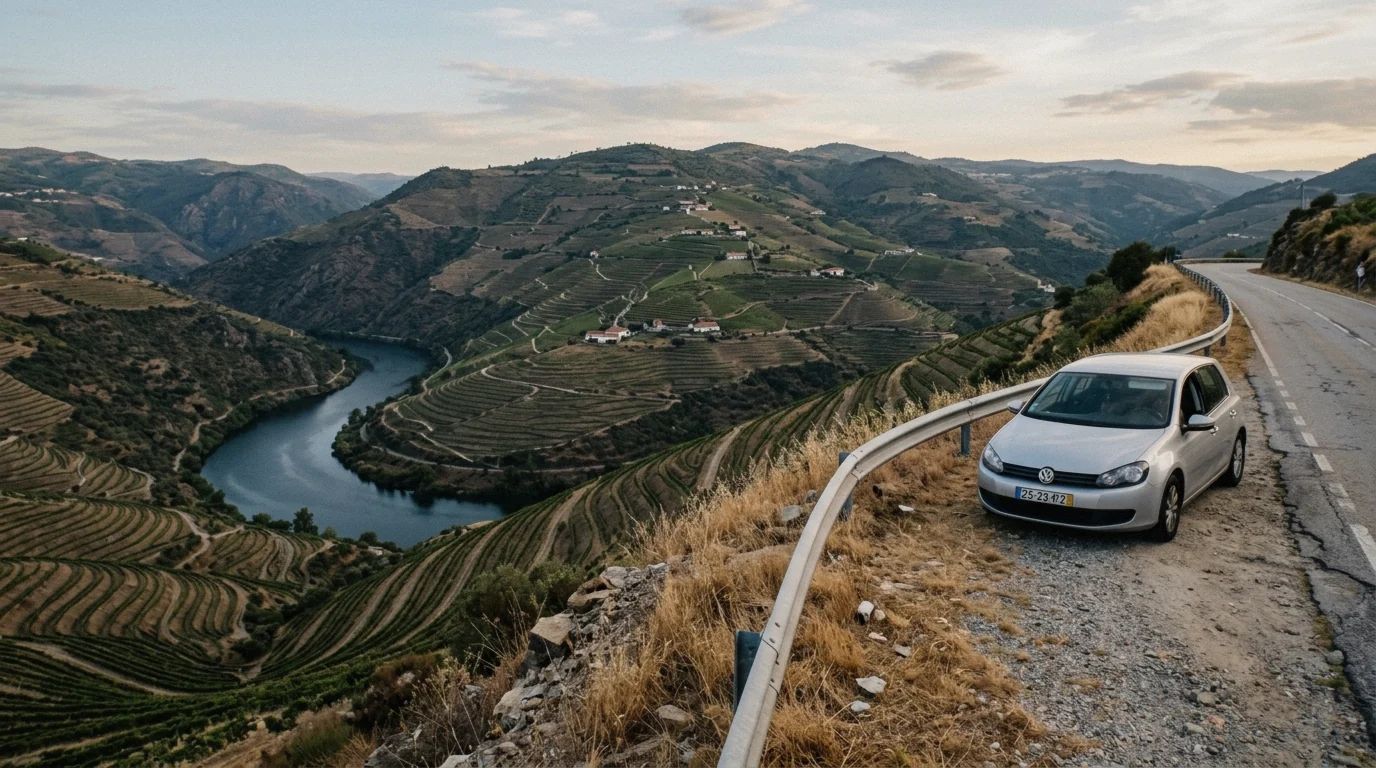
Option 1: Rental Car ⭐ MOST FLEXIBLE
Route: Porto → A4 motorway → Exit at Amarante or Mesão Frio
Drive Time: 1.5-2 hours to Peso da Régua; 2-2.5 hours to Pinhão
Cost: €30-50/day rental + €15-20 tolls + fuel
Pros:
- Stop at viewpoints spontaneously
- Visit multiple estates in one day
- Carry purchases (wine, olive oil) easily
- Flexibility with timing
Cons:
- Someone must stay sober (cannot fully enjoy tastings)
- Narrow, winding mountain roads intimidating for some drivers
- Parking limited at popular estates during harvest season
- GPS can be unreliable in remote vineyard areas
Tips:
- Book automatic transmission (manual common in Portugal, but stressful on hills)
- Download offline maps (cell service spotty in valleys)
- Start early (roads busiest 9:00 AM-11:00 AM with harvest trucks)
- Allow 30% more time than GPS estimates (roads slow, viewpoint stops tempting)
Option 2: Linha do Douro Scenic Railway 🚂 MOST SCENIC
Route: Porto São Bento Station → Peso da Régua → Pinhão → Pocinho
Train Time: 2.5-3 hours Porto to Pinhão
Frequency: 3-4 trains daily
Cost: €12-15 one-way; €20-25 round-trip
Pros:
- One of Europe’s most beautiful train routes (follows Douro River entire way)
- Everyone can drink wine!
- Stress-free, relaxing journey
- Historic stations worth visiting
Cons:
- Limited schedule (miss train = long wait for next)
- Some estates not walkable from stations
- Carrying wine purchases on train awkward
- No air conditioning (can be hot in September)
Best Estates Accessible by Train:
- Pinhão Station: Quinta de la Rosa (15-min walk), Quinta do Bomfim (20-min walk)
- Peso da Régua Station: Quinta do Vallado (10-min walk)
Tips:
- Book tickets online in advance (avoid station lines)
- Sit right side of train traveling east (Porto→Pinhão) for river views
- Bring snacks/water (no food service)
- Pinhão station has taxi stand for reaching distant estates
Option 3: Organized Tour from Porto 🚐 EASIEST & MOST POPULAR
Covered extensively in tour sections above
Quick Comparison:
| Tour Type | Price Range | Group Size | Flexibility | Best For |
|---|---|---|---|---|
| Budget group tour | $80-110 | 15-25 people | Fixed itinerary | First-timers, solo travelers |
| Small group tour | $100-150 | 6-12 people | Some flexibility | Couples, friends |
| Private tour | $150-300+ | Your group only | Full customization | Families, special occasions |
Option 4: Private Transfer/Driver 🚗 PREMIUM CONVENIENCE
How It Works:
Hire licensed driver with luxury vehicle; they drive you door-to-door, wait during estate visits, drive you back
Cost: €200-350 for full day (8-10 hours)
Vehicle: Mercedes, BMW, or luxury van
Capacity: Up to 7 passengers
Pros:
- All the flexibility of rental car, none of the stress
- Professional drivers know best routes, viewpoints, photo stops
- Everyone can drink freely
- Drivers often have estate contacts for last-minute bookings
Cons:
- Expensive for solo/couple travelers (cost-effective for groups of 4-6)
- Need to book specific pickup/drop-off times
How to Book:
- Hotel concierge can arrange
- Companies: Luxury Douro Tours, Douro Exclusive, Porto Private Drivers
Where to Stay During Harvest Season
Booking Timeline: 2-3 months advance for September-October
Harvest season is peak tourism in Douro Valley. Accommodation fills quickly, especially weekends in late September/early October.
OPTION 1: Stay in Porto, Day Trip to Douro
Pros:
- More hotel choices, all price ranges
- Porto itself worth 2-3 days exploration
- Easy airport access
- Restaurant variety
Cons:
- 2-hour commute each way (4 hours total daily travel)
- Miss sunrise/sunset vineyard magic
- Exhausting if doing multiple Douro days
Best For: First-time Portugal visitors wanting to see both Porto and Douro
OPTION 2: Stay in Pinhão (Heart of Wine Country) ⭐ RECOMMENDED
Why Pinhão:
- Geographic center of best estates
- Walking distance to several Quintas
- Charming riverside village
- Train station for easy arrival/departure
Top Accommodation Options:
Luxury:
- The Vintage House Hotel ($200-350/night) – Riverside luxury, Michelin-restaurant, pool, walking distance to 5+ estates
- Quinta de la Rosa ($180-280/night) – Stay at working wine estate, breakfast included, intimate (8 rooms only)
Mid-Range:
- Casa de Casal de Loivos ($120-180/night) – Boutique guesthouse, panoramic valley views, infinity pool, breakfast included
- LBV House Hotel ($100-150/night) – Modern, riverside location, rooftop terrace
Budget:
- Residencial Ponto Grande ($60-90/night) – Simple, clean, family-run, central location
- Airbnb apartments ($50-100/night) – Several options in village center
OPTION 3: Stay in Peso da Régua (Larger Town)
Why Régua:
- More services (supermarkets, pharmacies, banks)
- Train station with frequent Porto connections
- Lower prices than Pinhão
- Good base for western Douro estates
Top Options:
- Hotel Régua Douro ($90-140/night) – Modern, riverside, good restaurant
- Casa Belas Artes ($80-120/night) – Charming guesthouse, historic building, breakfast included
OPTION 4: Stay at Wine Estate 🍇 MOST IMMERSIVE
Estates with Accommodation:
Quinta Nova ($300-600/night)
- 5-star luxury hotel
- Michelin-quality restaurant
- Infinity pool overlooking vineyards
- Spa with wine therapy treatments
- Private vineyard tours daily
Quinta do Vallado ($200-350/night)
- Historic manor house rooms
- Breakfast featuring estate’s products (olive oil, jam, eggs)
- Complimentary estate tour for guests
- Restaurant on-site
Quinta de la Rosa ($180-280/night)
- Intimate (8 rooms)
- Family-run, personal attention
- Breakfast on terrace overlooking river
- Guests can walk vineyards anytime
Why Stay at Estate:
- Experience vineyard life dawn to dusk
- Spontaneous cellar visits
- Meet winemakers casually at breakfast
- Sunrise/sunset photo opportunities steps from room
- Immersive wine education
Booking Harvest Experiences: Timeline & Tips
When to Book:
| Experience Type | Book This Far in Advance | Why |
|---|---|---|
| Organized tours (GetYourGuide, Viator) | 2-4 weeks | Popular tours sell out; early booking gets best dates |
| Estate visits (no treading) | 1-2 weeks | Ensures availability, especially weekends |
| Foot-treading experiences | 4-8 weeks | Limited lagar space (20-30 people max); high demand |
| Private estate experiences | 6-12 weeks | Requires estate staffing, menu planning, exclusive access |
| Accommodation (Pinhão/Régua) | 8-12 weeks | Peak season; best properties book earliest |
Booking Process:
For Organized Tours:
- Search & Compare:
- Visit GetYourGuide.com or Viator.com
- Search: “Douro Valley wine tour” or “Douro Valley harvest”
- Use filters:
- ⭐ Rating: 4.5+ stars minimum
- 📝 Reviews: 500+ reviews (indicates established, reliable operator)
- 📅 Date: Select your specific September-October dates
- 💰 Price: Set your budget range
- ⏰ Duration: Full-day (8-10 hours) for comprehensive experience
- Read the Fine Print:
- What’s Included: Verify lunch, wine tastings, boat cruise, hotel pick-up
- What’s NOT Included: Often gratuities, extra drinks, personal purchases
- Cancellation Policy: Free cancellation up to 24-48 hours? (Important for weather-dependent activities)
- Pickup Details: Exact location and time (some tours don’t include pickup from all hotels)
- Group Size: Small group (8-12) vs. large bus tour (30-50)
- Check Reviews for Harvest-Specific Mentions:
- Search reviews for keywords: “harvest,” “vindima,” “grape picking,” “foot treading”
- Recent reviews (within last 6 months) most reliable
- Photos from other travelers show realistic expectations
- Book Online:
- Instant confirmation (no waiting for email approval)
- Receive voucher via email immediately
- Add to Apple Wallet or Google Pay for easy access
- Screenshot confirmation just in case
- Before Tour Day:
- Reconfirm pickup time/location 24 hours before (tour operator should contact you)
- Check weather forecast (bring layers, rain jacket if needed)
- Prepare questions for guide
- Charge phone/camera fully
For Direct Estate Bookings (Foot-Treading, Private Experiences):
- Research Estate Options:
- Visit estate websites (most have English versions):
- quintadobomfim.pt
- quintadelarosa.com
- quintadocrasto.pt
- quintadovallado.com
- Read Google/TripAdvisor reviews
- Check social media (Instagram often shows current harvest activities)
- Visit estate websites (most have English versions):
- Contact Estate (Email or Phone):
Email Template (English):
text Subject: Harvest Experience Booking - [Your Dates]
Dear [Estate Name] Team,
I am interested in booking a harvest experience during [specific dates, e.g., September 20-22, 2026].
Our group size: [number] adults
Interests: Grape picking, foot-treading, wine tasting, traditional lunch
Dietary restrictions: [if any]
Language preference: English
Could you please provide:
- Availability for our dates
- Program details and schedule
- Pricing per person
- What's included/not included
- Recommended arrival time
Looking forward to experiencing your beautiful estate during vindima!
Best regards,
[Your Name]
[Phone number]
[Country of origin]
- Follow-Up:
- Portuguese estates may take 2-5 business days to respond (not immediate like online platforms)
- If no response within 1 week, call directly (most have English-speaking staff)
- Be flexible with dates if possible (estates may suggest better harvest timing)
- Confirm Details:
- Payment: Some require deposit (50%), others full payment upfront
- Cancellation policy: Often stricter than organized tours (72-hour notice common)
- What to bring: Confirm appropriate clothing, shoes
- Dietary needs: Must inform in advance (estates source ingredients locally)
- Day Before:
- Call or WhatsApp estate to confirm appointment
- Ask about current harvest status (“Are you picking grapes tomorrow? Will treading happen?”)
- Confirm exact GPS coordinates (rural estates hard to find)
For Accommodation During Harvest:
- Book Early (2-3 Months Advance):
- September-October is Douro’s peak season
- Best properties (Vintage House, Quinta de la Rosa) sell out first
- Weekend availability disappears quickly
- Booking Platforms:
- Direct (Estate/Hotel Website): Often best rates, flexible policies
- Booking.com: Good for comparing options, user reviews
- Airbnb: Budget-friendly, local apartments
- Tablet Hotels / Mr & Mrs Smith: Boutique properties, curated selection
- What to Look For:
- Location: Pinhão > Peso da Régua > Other villages (for estate access)
- Breakfast included: Important (restaurants limited, early harvest starts)
- Free cancellation: Harvest timing can shift due to weather
- Parking: Essential if driving (not all properties have dedicated parking)
- Air conditioning: September can still be hot (25-30°C)
- Special Requests:
- Ask about harvest-specific packages (some hotels partner with estates)
- Request room with river/vineyard view (minimal price difference, maximum impact)
- Inquire about packed breakfast for early estate visits
Weather & What to Pack: Month-by-Month
September Weather:
- Temperature: 20-28°C (68-82°F) days; 12-16°C (54-61°F) nights
- Rainfall: Low (2-4 rainy days average)
- Conditions: Mostly sunny, decreasing humidity
- Daylight: 12.5 hours (sunrise 7:15 AM, sunset 7:45 PM)
What to Pack:
- Light layers (t-shirt + light cardigan/fleece)
- Comfortable walking shoes (vineyard terrain uneven)
- Sun protection (hat, sunglasses, SPF 30+)
- Light rain jacket (sudden showers possible)
- Swimsuit (if staying at hotel with pool)
October Weather:
- Temperature: 15-23°C (59-73°F) days; 8-12°C (46-54°F) nights
- Rainfall: Moderate (5-7 rainy days average)
- Conditions: Mix of sunny and cloudy; occasional rain
- Daylight: 11 hours (sunrise 7:45 AM, sunset 6:45 PM)
What to Pack:
- Warmer layers (long sleeves, sweater, light jacket)
- Waterproof jacket (rain more frequent)
- Closed-toe waterproof shoes
- Scarf (mornings and evenings chilly)
- Thermal layer for early morning vineyard visits
For Foot-Treading Specifically:
Must Bring:
- Old shorts (will be permanently stained purple)
- Expendable t-shirt (same reason)
- Large towel
- Flip-flops or sandals (for before/after)
- Plastic bag (for wet, stained clothes)
- Complete change of clothes
- Baby wipes (quick cleanup)
Leave at Hotel:
- Jewelry (gets stained, could be lost)
- Expensive watch
- Contact lenses (risk of grape juice splash)
- Anything you care about keeping clean
Frequently Asked Questions (Harvest-Specific)
Q: Can I actually pick grapes and stomp grapes on the same day?
A: Yes! Many harvest tours offer both experiences. The private Douro Valley Grape Harvest Tour on Viator (linked earlier) explicitly includes both grape picking (morning) and foot-treading (evening) in one day. Some estates also offer combined packages—just confirm when booking that BOTH activities are included, not just one.
Q: Will I really be helping make wine that gets sold, or is this just for tourists?
A: Both, depending on the estate.
Tourist Lagares: Some estates (especially budget-friendly ones) maintain separate “tourist lagares” with grapes that may go into entry-level wines or not be bottled at all.
Working Lagares: Premium estates (Quinta do Bomfim, Quinta da Roêda) have tourists tread in the ACTUAL lagares producing their commercial Vintage Ports. Your feet are genuinely contributing to wine sold internationally for €100+ per bottle. This is why these estates are selective about who participates and enforce strict hygiene rules.
How to Tell: Ask directly when booking: “Will we be treading grapes used for your commercial wines?”
Q: I have mobility issues—can I still experience harvest season without strenuous activities?
A: Absolutely! Many options exist:
Accessible Harvest Experiences:
- Cellar tours showing fermentation process (minimal walking)
- Tasting sessions featuring new vintages
- Scenic viewpoint visits during harvest (watch pickers from overlooks)
- Boat cruises passing working vineyards
- Restaurant harvest menus paired with wines
Estates with Good Accessibility:
- Quinta Nova (modern facilities, elevators, paved paths)
- Quinta do Vallado (single-level tasting room and restaurant)
Tours with Minimal Walking:
- Most boat + tasting tours (linked earlier) involve limited walking
Q: Can children participate in harvest activities?
A: Age requirements vary:
Grape Picking: Usually 8+ years old (with parent supervision)
Foot-Treading:
- Working lagares: 18+ only (alcohol environment, late hours)
- Family-friendly lagares: Some estates (Quinta do Panascal) offer daytime family sessions for ages 12+ with non-alcoholic grape juice
General Estate Visits: All ages welcome
Best Family-Friendly Estate: Quinta do Panascal (explicitly welcomes families, has picnic areas, play spaces)
Q: How physically demanding is foot-treading really?
A: Moderate intensity, comparable to:
- Low-impact water aerobics
- Brisk walking on uneven terrain
- Light dancing for 90 minutes straight
Physical Challenges:
- Standing continuously for 90-120 minutes
- Maintaining balance while stomping in slippery grape must
- Repetitive leg lifting (like marching in place)
- Linking arms with others (requires core stability)
Who Finds It Easy: Regular gym-goers, hikers, dancers
Who Finds It Moderate: Average fitness level, occasional exercisers
Who May Struggle: Sedentary individuals, those with knee/ankle issues, balance problems
Reality Check: Most healthy adults complete it without issue, though legs will be sore the next day (like after a long hike).
Q: What if it rains on my harvest tour day?
Rain Impact:
Light Rain: Tours proceed normally (actually enhances some experiences—misty vineyards are atmospheric)
Heavy Rain:
- Grape picking may be canceled (wet grapes dilute wine quality)
- Foot-treading still happens (it’s indoors!)
- Boat cruises may be canceled for safety
- Tours adapt: more cellar time, extended tastings, covered viewpoints
Cancellation Policies:
- Organized tours: Usually offer free rescheduling or refund if tour operator cancels
- Direct estate bookings: Vary by estate; most flexible if canceled by them, stricter if you cancel
Tip: Book tours with “free cancellation up to 24 hours before” option. Monitor 3-day weather forecast and reschedule if major storm predicted.
Q: Can vegetarians/vegans enjoy harvest lunches?
A: Yes, but must inform in advance.
Traditional Harvest Meals: Heavily meat-focused (roasted lamb, pork, chorizo)
Vegetarian Options: Most estates can provide vegetable-based dishes, cheese plates, salads
Vegan Options: More challenging (Portuguese cuisine relies on dairy, eggs). Larger estates and organized tours better equipped for vegan needs than small family Quintas.
When Booking: ALWAYS mention dietary restrictions in initial booking (not day-of). Estates source ingredients from local markets—they need advance notice to accommodate.
Q: How much wine will I actually drink during a harvest tour?
Typical Full-Day Tour Wine Consumption:
Morning: Welcome Port or sparkling wine (1 glass)
Winery Visit 1: 3-4 wine tastings (small pours, 2-3 oz each)
Lunch: 1-2 glasses wine with meal
Winery Visit 2: 3-4 wine tastings
Boat Cruise: Often includes 1 glass Port
Total: Approximately 8-12 tastings + 2-3 full glasses = equivalent to about 1 bottle of wine spread over 8-10 hours
Is This Too Much?
- Spread over full day with food = moderate for most adults
- Spitting encouraged at professional tastings (though many don’t)
- Water provided throughout day
If You’re a Lightweight:
- Tell guide you prefer smaller pours
- Alternate: taste, spit, then sip water
- Skip some tastings (no one forces you to drink everything)
Designated Driver:
- If driving, inform tour guide—they’ll provide grape juice alternatives
- Or book tours with transportation included (no driving needed!)
Q: Is September or October better for harvest experiences?
September Pros:
- Better weather (warmer, less rain)
- White grape harvest (see more variety)
- Fewer crowds early month
- Landscape still summer-vibrant
September Cons:
- Foot-treading less available (red grapes not yet harvested)
- Some estates still preparing lagares
- Peak heat mid-month (28-30°C)
October Pros:
- PEAK foot-treading season (maximum availability)
- Autumn colors (best photography)
- Harvest finale celebrations
- More “action” visible (all grapes being picked simultaneously)
October Cons:
- More rain (bring waterproof gear)
- Cooler (need layers)
- More tourists (book further in advance)
- Some estates finishing early (check specific harvest status)
Recommendation:
- For foot-treading priority: Early to mid-October
- For weather and comfort: Mid to late September
- For avoiding crowds: Late August or early September
- For autumn photography: Mid to late October
Q: Can I buy wine directly from estates and ship it home?
A: Yes, with caveats:
Buying at Estates:
- Most estates sell wines on-site (often 10-20% cheaper than retail)
- Payment: Cash or credit card (some small estates cash-only)
- Packaging: Estates provide boxes for transport
Shipping Internationally:
To EU Countries: Easy, affordable (€20-40 per case), arrives in 1-2 weeks
To USA: Complex due to state laws
- Some states prohibit direct wine shipments
- Estates may not ship to US (export license required)
- Third-party shippers available (€80-150 per case, may take 4-8 weeks)
- Consider duty/import taxes (varies by state)
To Canada: Similar to USA, provincial regulations vary
Alternative: Many estates have international distributors. Ask if your local wine shop can order specific bottles.
Carrying Wine Home:
- Check airline baggage policies (weight limits)
- Wrap bottles in bubble wrap, pack in center of suitcase surrounded by clothes
- Mark luggage “fragile” (doesn’t guarantee careful handling but helps)
- Consider wine shipping sleeves (inflatable protective bags)
Final Recommendations: Making the Most of Harvest Season
For First-Time Visitors:
Recommended Itinerary (3 Days/2 Nights):
Day 1:
- Morning: Arrive Porto, rent car or join organized tour from Porto
- Afternoon: Drive to Douro Valley (2 hours), check into Pinhão accommodation
- Evening: Sunset at Casal de Loivos viewpoint (360° panoramic views), dinner at local restaurant in Pinhão
Day 2 (Full Harvest Experience):
- Morning: Full-day organized tour with grape picking, boat cruise, and wine tastings
→ Book on GetYourGuide
→ Book on Viator - Lunch: Traditional Portuguese meal included in tour (typically at vineyard or riverside restaurant)
- Afternoon: Continue tastings at second estate, scenic viewpoint stops
- Evening: Evening foot-treading session if tour includes it, OR book separate treading experience at local Quinta
Day 3:
- Morning: Sunrise photography in vineyards (if staying at estate) or leisurely breakfast
- Mid-Morning: Visit one more estate independently (Quinta de la Rosa or Quinta do Crasto – both walkable from Pinhão)
- Afternoon: Return to Porto via scenic N222 road (voted one of world’s most beautiful drives)
- Evening: Explore Porto’s Vila Nova de Gaia Port lodges (where Port ages in barrels before bottling)
Budget Estimate:
- Accommodation (2 nights in Pinhão): €100-200
- Full-day tour: $100-150 USD
- Meals not included in tour: €40-60
- Additional estate visit: €20-40
- Total: €260-450 ($280-490 USD) per person
For Wine Enthusiasts & Repeat Visitors:
Recommended Itinerary (4 Days/3 Nights with Premium Experiences):
Day 1:
- Arrive Porto afternoon
- Evening: Dinner at The Yeatman (Michelin-star, Port wine pairings)
- Overnight: Porto
Day 2:
- Morning: Private transfer to Douro Valley
- Check-in: Quinta Nova or Quinta do Vallado (stay at wine estate)
- Afternoon: Estate-exclusive vineyard tour with winemaker
- Evening: Sunset wine tasting on estate terrace, dinner at estate restaurant
Day 3 (Intensive Harvest Day):
- 6:00 AM: Join harvest crew for grape picking (arranged through estate)
- 9:00 AM: Traditional worker breakfast
- 10:00 AM: Rest/explore estate grounds
- 12:30 PM: Harvest lunch (long, multi-course feast)
- 3:00 PM: Cellar tour showing fermentation in progress
- 7:00 PM: Premium foot-treading experience in working lagar
- 10:00 PM: Post-treading dinner with winemaker
Day 4:
- Morning: Visit neighboring premium estate (Quinta do Bomfim or Quinta da Roêda) – pre-booked private tour
- Lunch: Picnic in vineyards
- Afternoon: Return to Porto, evening Port tasting at historic lodge
Budget Estimate:
- Premium estate accommodation (3 nights): €600-1,200
- Private transfer: €200-300
- Estate experiences: €300-500
- Additional meals/tastings: €150-250
- Total: €1,250-2,250 ($1,350-2,450 USD) per person
What Makes This Worth It:
- Access to lagares producing $100+ bottles of Port
- Personal time with winemakers (not tour guides)
- Sleeping in vineyards where grapes grow
- Witnessing complete harvest process dawn to dusk
For Photographers:
Best Locations & Timing for Harvest Photos:
Golden Hour Spots (Sunrise: 7:00-8:30 AM | Sunset: 6:00-7:30 PM):
- São Leonardo da Galafura Viewpoint
- Location: Near Peso da Régua
- Best for: Sweeping valley panoramas with terraced vineyards descending to river
- Optimal time: Sunrise (fewer tourists, mist rising from river)
- Parking: Limited; arrive 30 min early in October
- Casal de Loivos Viewpoint
- Location: Above Pinhão
- Best for: River bend with Quinta-dotted slopes
- Optimal time: Sunset (golden light hitting east-facing terraces)
- Bonus: Small bar for post-shoot Port wine
- Pinhão Train Station
- Location: Pinhão village center
- Best for: Historic azulejo tiles depicting harvest scenes, trains with vineyard backdrop
- Optimal time: Late afternoon (trains arriving 4:00-6:00 PM)
- Quinta do Crasto Terraces
- Location: Gouvinhas
- Best for: Dramatic terraced vineyard layers
- Optimal time: Morning (east-facing slopes, backlit rows creating depth)
- Requires: Estate permission (email ahead for photography access)
Harvest Action Shots:
Morning Grape Picking (6:30-9:30 AM):
- Silhouettes of pickers against dawn sky
- Close-ups: grape-filled baskets, pruning shears cutting clusters
- Wide shots: lines of workers moving through rows
Midday Processing (11:00 AM-2:00 PM):
- Sorting tables with hands removing leaves
- Grape trucks being unloaded
- Crush pads with purple-stained equipment
Evening Foot-Treading (9:00-11:00 PM):
- Action: feet stomping in must (use fast shutter speed: 1/500+)
- Atmosphere: Low-light, musical celebration (ISO 3200+, f/1.8-2.8)
- Details: Purple-stained legs, grape skins, participants’ expressions
Photography Etiquette:
- Always ask permission before photographing workers
- Don’t obstruct harvest operations for photos
- Respect “no photography” areas (some cellars prohibit flash due to fermentation sensitivity)
- Tip workers if photographing them extensively (€10-20 appreciated)
Gear Recommendations:
- Lenses: 24-70mm f/2.8 (versatile), 70-200mm f/2.8 (distant action), 16-35mm f/4 (landscapes)
- Protect equipment: Grape juice splatters! Keep cameras in waterproof bags when not shooting
- Bring: Extra batteries (cold October mornings drain power), microfiber cloths, ziplock bags
For Budget Travelers:
How to Experience Harvest Season for Under €100/day:
Accommodation (€40-60/night):
- Residencial Ponto Grande (Pinhão): €50-70/night
- Airbnb apartments (Peso da Régua): €40-80/night
- Camping: Free wild camping in designated areas outside villages (check local regulations)
Transportation:
- Train from Porto: €12-15 one-way (book online for discounts)
- Walk between Pinhão estates: Free! Quinta de la Rosa, Quinta do Bomfim within 20-30 min walk
Experiences:
- Self-guided vineyard walks: Free (public paths through terraces)
- Budget estate visit: Quinta do Panascal (€50-80 including picking, treading, lunch)
- Village harvest festivals: Free! Check local calendars for Festa das Vindimas dates
Food:
- Picnic lunches: Buy from Pinhão grocery (€8-12 for bread, cheese, chorizo, fruit)
- Village cafes: Set lunch menus €8-12 (soup, main, dessert, drink)
- Avoid tourist restaurants: Ask locals where they eat (often 50% cheaper than riverside spots)
Sample Budget Day:
- Accommodation: €50
- Breakfast at cafe: €5
- Picnic lunch: €10
- Quinta do Panascal harvest experience: €70
- Dinner at village tasca: €15
- Total: €150 ($163 USD) for full harvest day with treading!
Money-Saving Tips:
- Travel mid-week (Monday-Thursday accommodation 20-30% cheaper)
- Book trains at least 8 days in advance (early-bird discounts)
- Buy wine at estates, not gift shops (30-50% markup in touristy areas)
- Share organized tour costs with other travelers (private tours split 4-6 ways = budget-friendly)
Common Mistakes to Avoid:
❌ Mistake 1: Assuming “Harvest Tour” Always Includes Foot-Treading
Many tours use “harvest” marketing but only include vineyard visits and tastings—no actual grape picking or treading.
✅ Solution: Read tour descriptions carefully. Look for explicit mentions: “grape picking,” “foot-treading,” “pisa a pé,” “lagar experience.”
❌ Mistake 2: Wearing White or Expensive Clothes
Grape juice stains are PERMANENT. Purple splatter happens even when you’re careful.
✅ Solution: Pack old, dark-colored clothing you don’t mind ruining. Bring complete change of clothes in plastic bag.
❌ Mistake 3: Arriving in Douro Without Reservations (Especially October Weekends)
“We’ll just show up and find something” = stress, disappointment, expensive last-minute bookings.
✅ Solution: Book accommodation and major estate visits 6-8 weeks in advance for September-October.
❌ Mistake 4: Trying to Visit Too Many Estates in One Day
“Let’s do 5 Quintas today!” = rushed, superficial experiences, wine-tasting fatigue, drunk driving risk.
✅ Solution: Quality over quantity. 2-3 estates per day maximum. Savor each experience.
❌ Mistake 5: Forgetting Cash
Small estates, village cafes, and farmers’ markets often don’t accept cards.
✅ Solution: Carry €100-200 cash. ATMs in Pinhão and Régua, but scarce in smaller villages.
❌ Mistake 6: Underestimating Drive Times
GPS says 20 minutes, but narrow, winding mountain roads + slow harvest trucks + mandatory photo stops = 45 minutes actual time.
✅ Solution: Add 50-100% buffer to all GPS estimates. Don’t over-schedule.
❌ Mistake 7: Not Confirming Harvest Status Before Booking
Harvest timing shifts based on weather. A warm September can mean harvest finishes early October; a cool year pushes it into late October.
✅ Solution: Contact estates 1-2 weeks before visit to confirm harvest still happening. Follow estates on Instagram for real-time updates.
Conclusion: Why Douro Valley Harvest Season is Unmissable
Experiencing vindima in the Douro Valley isn’t just about wine—it’s about participating in a living cultural tradition that has shaped this UNESCO World Heritage landscape for over 2,000 years.
What Makes It Unique:
✓ Authenticity: You’re not watching a recreation for tourists—you’re joining real winemaking that produces internationally sold Port and Douro wines
✓ Accessibility: Unlike many wine regions where harvest is off-limits to visitors, the Douro welcomes participation through organized programs
✓ Spectacular Setting: Nowhere else on Earth combines dramatic terraced landscapes, UNESCO recognition, river valley beauty, and world-class wine heritage
✓ Cultural Immersion: From traditional folk songs during treading to multi-course harvest feasts, you’re experiencing Portuguese culture at its most authentic
✓ Once-in-Lifetime Memories: How many people can say they’ve stomped grapes that became Vintage Port? That they’ve picked grapes at dawn in a 2,000-year-old tradition?
The Perfect Time:
- Mid-September to early October offers the optimal balance of weather, harvest activity, foot-treading availability, and autumn beauty
- Book 6-8 weeks in advance for best availability
- Expect long days, physical activity, purple-stained feet, and memories that last forever
Final Word
Whether you choose a budget-friendly group treading session at Quinta do Panascal or a luxury multi-day estate stay at Quinta Nova, the magic of harvest season in the Douro Valley is the same: You’re connecting with the land, the tradition, and the people who’ve made this valley synonymous with world-class wine for centuries.
Pack your old clothes, bring your sense of adventure, and prepare to stomp some grapes. The Douro Valley is waiting.