Choosing your next wine tourism destination can feel like a journey into the heart of viticulture – exciting, full of promise, but requiring careful consideration. If you’re weighing the options for an unforgettable trip, the Douro Valley in Portugal has undoubtedly caught your eye. But how does this majestic region truly stack up against the renowned wine travel destinations like Tuscany, Rioja, Bordeaux, and even its Portuguese neighbor, Alentejo?
This comprehensive guide is designed to help you navigate the nuances, discover the unique characteristics, and ultimately decide which wine region is the best fit for your next adventure. We’ll delve into everything from the signature wines and breathtaking landscapes to the gastronomic delights and cultural treasures, ensuring you make an informed choice for your perfect sip.
Why the Douro Valley Stands Out: A Snapshot of Portugal’s Gem
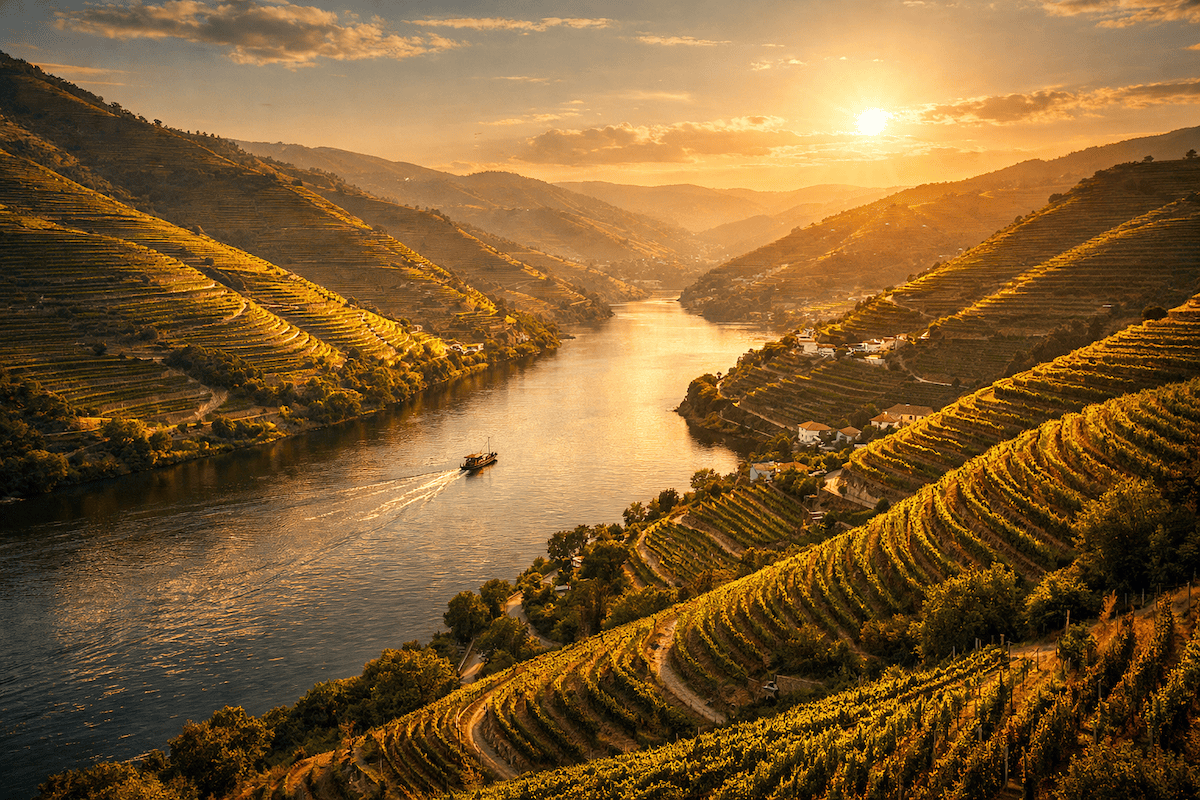
Before we dive into direct comparisons, let’s establish why the Douro Valley holds such a special place on the global wine map. This UNESCO World Heritage site is renowned for its dramatic, ancient terraced vineyards, carved into steep schist slopes that plunge down to the winding Douro River. It’s the birthplace of Port wine, a fortified wine that has captivated palates for centuries, but also produces a growing array of acclaimed unfortified reds and whites.
The Douro offers an experience that is both visually arresting and deeply authentic. Travelers like Jessica_G on Viator have praised it for “Best wine tasting with breathtaking views,” while The Wine CEO blog noted its “breathtaking views, incredible hospitality, and some of the best wines.” It’s a region where ancient traditions, like foot-treading grapes, still thrive alongside modern winemaking techniques. You’ll find a unique blend of majestic scenery, rich history, and genuine warmth that leaves a lasting impression. Many travelers choose the Douro Valley for its blend of rugged beauty and refined wines. Discover more about Why People Choose the Douro Valley – Douro Valley Wine Tour.
Douro Valley vs. Tuscany: Iberian Terraces or Italian Rolling Hills?
The encounter of these two Old World titans offers a fascinating study in contrasting beauty, culinary traditions, and wine philosophies. Both promise romance and sensory indulgence, but their expressions are distinctly different.
Douro Valley
- Primary Wine Styles and Signature Grapes: The Douro is famous for Port wine (Ruby, Tawny, Vintage), a robust, often sweet fortified wine. Beyond Port, it produces powerful, fruit-driven unfortified red wines from indigenous grapes like Touriga Nacional, Tinta Roriz (Tempranillo), and Touriga Franca, along with an increasing number of crisp, mineral-driven white wines.
- Overall Scenery and Landscape: Imagine dramatic, steep, terraced hillsides meticulously carved by hand over centuries, plunging down to the shimmering Douro River. The landscape is rugged, grand, and often described as majestic, with the river itself being a central feature.
- Accessibility and Ease of Getting Around: The Douro is accessible from Porto by train (a scenic route along the river), car (winding, sometimes challenging roads), or organized tours. Getting around within the valley often involves driving, river cruises, or private transfers. Read our guide on How to Get from Porto to Douro Valley (Train, Car, Tour, Boat).
- Typical Costs: Generally mid-range to high-end. Accommodation can range from rustic quintas to luxury hotels. Tours, especially private ones or river cruises, can be a significant investment but offer high value. Wine purchases vary widely.
- Food and Gastronomic Experiences: Hearty, rustic Portuguese cuisine. Expect dishes like bacalhau (salted cod), cozido (stew), feijoada (bean stew), grilled meats, smoked sausages, and delicious local cheeses. Many quintas offer farm-to-table dining, often accommodating dietary needs with advance notice.
- Cultural and Historical Significance: The world’s first demarcated wine region (1756), a UNESCO World Heritage site. Rich history dating back to Roman times, with traditional villages and a strong connection to the river and its people.
- Tourism Infrastructure and Experience Level: The infrastructure is growing, with a blend of traditional, family-run quintas offering intimate experiences and more upscale boutique hotels. River cruises are a cornerstone of the tourism experience. It offers a balance of rustic charm and evolving luxury.
- Crowd Levels and Potential for Authentic Experiences: Moderate crowd levels, peaking during harvest season. It’s still very possible to find authentic, uncommercialized experiences, especially at smaller, family-owned quintas, making it suitable for spontaneous visits to some degree, though popular tours should be booked in advance.
- Unique Activities and Experiences: Douro River cruises on traditional rabelo boats or modern vessels, grape treading during harvest season (late September/early October – see our Douro Valley Harvest Season Guide: Grape Picking, Foot-Treading Tours (Sep-Oct) – Douro Valley Wine Tour), scenic train rides, and visiting miradouros (viewpoints). Kayaking and hiking are also growing in popularity.
- Best Time to Visit: Spring (April-May) for wildflowers and pleasant weather, or Autumn (September-October) for the harvest and vibrant foliage. Discover more with our Best Time to Visit Douro Valley – Douro Valley Wine Tour.
- Overall “Vibe” and Target Traveler: Majestic, historical, rugged, authentic, and immersive. Ideal for those who appreciate dramatic landscapes, rich history, fortified wines, river experiences, and a blend of rustic and refined. Offers good options for solo travelers and couples.
- Value for Money: Generally good to excellent value for the unique experience, especially when considering the grandeur of the landscape and the quality of the wines compared to other high-profile regions.
Douro Valley Tour Options:
- Douro Valley: Wine Tour with Lunch, Tastings & River Cruise – Practical: ~9.5 hours, €95-120, includes 2 winery visits, lunch, and a scenic river cruise. Best time of day: Full day. Advance booking: Recommended.
- Douro Valley Small-Group Tour with Wine Tasting, Lunch & River Cruise – Practical: ~9 hours, €100-130, small group experience from Porto. Best time of day: Full day. Advance booking: Essential.
- Private Douro Valley Wine Tour with Lunch and River Cruise – Practical: ~9 hours, €200-300+ per person (depending on group size), fully customizable private experience. Best time of day: Full day. Advance booking: Highly recommended.
Tuscany
- Primary Wine Styles and Signature Grapes: Tuscany is synonymous with Sangiovese-based red wines such as Chianti Classico, Brunello di Montalcino, and Vino Nobile di Montepulciano. These are typically elegant, savory, and food-friendly reds. “Its historical streets beckon with an irresistible blend of Renaissance elegance,” notes The Cheeky Vino wine blog, mirroring its wine style.
- Overall Scenery and Landscape: The quintessential Italian landscape: rolling hills blanketed with vineyards, cypress-lined driveways, olive groves, and charming medieval hilltop towns. It’s often described as idyllic and picturesque.
- Accessibility and Ease of Getting Around: Very accessible, with major airports in Florence and Pisa. Renting a car is popular for exploring at leisure, but numerous guided tours operate from Florence and Siena.
- Typical Costs: Generally mid-range to high-end, with luxury options readily available. Accommodation, especially agriturismos in prime locations, can be expensive.
- Food and Gastronomic Experiences: World-renowned Italian cuisine. Think fresh pasta, olive oil, truffles, Pecorino cheese, wild boar, and the famous Bistecca alla Fiorentina. Cooking classes are a popular activity, and vegetarian/gluten-free options are widely available in cities and larger towns.
- Cultural and Historical Significance: The cradle of the Renaissance, with unparalleled art and architecture in cities like Florence and Siena. Etruscan roots, Roman history, and countless medieval villages.
- Tourism Infrastructure and Experience Level: Highly developed and caters to a wide range of travelers, from budget backpackers to ultra-luxury clients. Agriturismos (farm stays) offer a popular rustic-chic experience. Very polished and tourist-friendly.
- Crowd Levels and Potential for Authentic Experiences: High, especially during peak summer months and in popular towns. While sometimes feeling touristy, authentic experiences can still be found by venturing to smaller villages or off-season, though spontaneous winery visits may be challenging without prior booking.
- Unique Activities and Experiences: Cooking classes, truffle hunting excursions, hot air balloon rides over vineyards, Vespa tours through the countryside, and exploring Renaissance art in Florence. Good for families due to diverse non-wine activities.
- Best Time to Visit: Spring (April-May) for mild weather and blooming landscapes, or Autumn (September-October) for the harvest and pleasant temperatures.
- Overall “Vibe” and Target Traveler: Romantic, classic, picturesque, gastronomic, and refined. Ideal for romantics, foodies, art and history lovers, and those seeking iconic beauty and a blend of luxury and rustic charm.
- Value for Money: Good, but often perceived as less ‘value’ than some other regions due to its popularity and higher price points, particularly for luxury experiences.
Tuscany Tour Options:
- Tuscany: Hot Air Balloon Flight with Wine and Food Tasting – Practical: ~3 hours, €300-400+, an exclusive morning experience. Best time of day: Early morning. Advance booking: Required.
- Tuscany Day Trip from Florence with Wine Tasting and Lunch – Practical: ~8-9 hours, €80-100, visits Chianti Classico region. Best time of day: Full day. Advance booking: Recommended.
- From Florence: Siena, San Gimignano, Chianti with Lunch & Wine – Practical: ~10 hours, €80-100, combines wine with medieval town exploration. Best time of day: Full day. Advance booking: Recommended.
Douro Valley vs. Rioja: Old World Neighbors, Distinct Flavors?
Portugal and Spain share a peninsula and a love for wine, but their flagship regions, Douro and Rioja, offer markedly different experiences that reflect their unique histories and terroirs.
Douro Valley
(See description above for details on Douro Valley)
Rioja
- Primary Wine Styles and Signature Grapes: Rioja is renowned for its Tempranillo-dominant red wines, often blended with Garnacha, Mazuelo (Carignan), and Graciano. Wines are classified by aging (Crianza, Reserva, Gran Reserva), leading to savory, oak-aged, and structured reds. White Rioja, primarily from Viura, is also produced.
- Overall Scenery and Landscape: The landscape is diverse, featuring the fertile Ebro River valley, the backdrop of the Sierra de Cantabria mountains, and charming medieval villages like Laguardia. It blends traditional vineyards with striking modernist winery architecture. “It was amazing to walk through the vineyards,” a traveler noted on Two Cameras And A Bucket List blog.
- Accessibility and Ease of Getting Around: Easily accessible from major cities like Bilbao (with its Guggenheim Museum) and Logroño. Car rental provides the most flexibility, though organized tours are available from these hubs.
- Typical Costs: Generally mid-range, offering excellent value for both wine and food experiences compared to other prominent European regions.
- Food and Gastronomic Experiences: A paradise for foodies, particularly famous for its pintxos (tapas) culture, especially in Logroño. Also known for succulent lamb and pork dishes, chorizo, patatas a la Riojana, and excellent local produce. The vibrant pintxos scene offers great flexibility for various dietary needs.
- Cultural and Historical Significance: A region rich in history, influenced by Basque and Castilian cultures. It lies on the famous Camino de Santiago pilgrimage route, offering a glimpse into ancient traditions and medieval architecture. “The area is filled with such great history and I too loved all the buildings,” a traveler noted on Two Cameras And A Bucket List blog.
- Tourism Infrastructure and Experience Level: Well-developed, with a fascinating mix of traditional family bodegas and cutting-edge, architecturally designed wineries (e.g., Marqués de Riscal by Frank Gehry). Caters to both traditionalists and modern design enthusiasts.
- Crowd Levels and Potential for Authentic Experiences: Moderate crowd levels, generally less touristy than Tuscany or Bordeaux, allowing for a more local and authentic experience, especially outside the main towns. Spontaneous winery visits are often possible, particularly at smaller bodegas.
- Unique Activities and Experiences: Architectural winery tours (“magical, curving metallic work of Frank Gehry at Bodegas Marques de Riscal,” from Two Cameras And A Bucket List blog), walking sections of the Camino de Santiago, indulging in the vibrant pintxos crawls in Logroño, and exploring charming medieval villages.
- Best Time to Visit: Spring (April-May) and Autumn (September-October) for pleasant weather ideal for exploring both vineyards and towns.
- Overall “Vibe” and Target Traveler: A blend of traditional and modern, authentic, vibrant, and a foodie’s delight. Ideal for explorers, gastronomes, architecture enthusiasts, and those seeking good value and a rich cultural experience. Well-suited for solo travelers due to its accessible city hubs and lively pintxos culture.
- Value for Money: Excellent. Rioja consistently offers high-quality wines and culinary experiences at more accessible price points than many other top European wine regions.
Rioja Tour Options:
- From Bilbao: Rioja Wineries & Laguardia Tour with Tastings – Practical: ~9 hours, €120-150, visits two wineries and the medieval town of Laguardia. Best time of day: Full day. Advance booking: Recommended.
- Rioja Wineries and Laguardia Tour with Picnic from San Sebastian – Practical: ~9 hours, €200+, includes multiple winery visits and a picnic-style lunch. Best time of day: Full day. Advance booking: Recommended.
- Private Rioja Wine Tour from Logroño with Exclusive Tastings – Practical: ~6-8 hours, €200-300+ per group, customized private visits to smaller bodegas. Best time of day: Morning or afternoon. Advance booking: Highly recommended.
Douro Valley vs. Bordeaux: Heritage, Elegance, and the River’s Flow
Bordeaux is the epitome of classic French winemaking, renowned for its elegance and esteemed chateaux. Comparing it with the Douro Valley highlights differences in grandeur, wine structure, and overall experience.
Douro Valley
(See description above for details on Douro Valley)
Bordeaux
- Primary Wine Styles and Signature Grapes: Bordeaux is legendary for its Cabernet Sauvignon and Merlot-based red blends, with Left Bank (Médoc, Pauillac) typically Cabernet-dominant and Right Bank (Saint-Émilion, Pomerol) Merlot-dominant. Also produces elegant dry whites (Sauvignon Blanc, Sémillon) and the world-famous sweet wines of Sauternes.
- Overall Scenery and Landscape: Features iconic, grand chateaux surrounded by meticulously manicured vineyards. The landscape is generally flatter in the Médoc, with rolling hills around Saint-Émilion. The Garonne and Dordogne rivers are central, but less dramatically integrated into the landscape than the Douro.
- Accessibility and Ease of Getting Around: Bordeaux city is a major hub with an international airport. Getting to the vineyards is easy by car or via organized tours. Many tours depart directly from the city center.
- Typical Costs: Generally high-end to luxury. Bordeaux is one of Europe’s most prestigious wine regions, reflected in accommodation, fine dining, and wine tour prices. Buying a bottle of wine can be very expensive.
- Food and Gastronomic Experiences: Classic French cuisine, emphasizing rich flavors, high-quality ingredients, and gourmet experiences. Famous for foie gras, duck confit, oysters from Arcachon Bay, and exquisite cheeses. Michelin-starred dining is prevalent. Dietary needs can be accommodated in high-end establishments with advance notice.
- Cultural and Historical Significance: A UNESCO World Heritage city, Bordeaux boasts stunning 18th-century architecture and a rich history as a global wine trading port. Its chateaux represent centuries of winemaking heritage and aristocratic elegance. Maria Laura Ortiz blog describes Bordeaux as a blend of “grandeur of the past and luxury of the present.”
- Tourism Infrastructure and Experience Level: Highly developed for luxury wine tourism, offering formal and structured tasting experiences, often by appointment. Expect polished presentations, high-end hospitality, and world-class dining.
- Crowd Levels and Potential for Authentic Experiences: Moderate to high, especially in popular areas like Saint-Émilion. While the experience is often refined and exclusive, finding deeply “rustic” or “local” experiences may require more effort compared to other regions. Extensive pre-booking is almost always required for chateau visits.
- Unique Activities and Experiences: Visiting Grand Cru Classé chateaux, private blending workshops, gourmet food and wine pairing dinners, exploring the Cité du Vin museum, and strolling through the charming cobblestone streets of Saint-Émilion. “Elegant chateau – Elegant French car!” noted a Viator review, capturing the luxurious vibe.
- Best Time to Visit: Late Spring (May-June) for pleasant weather and budding vineyards, or early Autumn (September-October) for the harvest and a vibrant atmosphere.
- Overall “Vibe” and Target Traveler: Elegant, prestigious, formal, luxurious, and sophisticated. Ideal for luxury seekers, serious wine connoisseurs, those interested in classic French culture and history, and high-budget travelers.
- Value for Money: Lower value for money due to the premium pricing, but the quality of the experience, wines, and gastronomy is exceptionally high.
Bordeaux Tour Options:
- Saint-Émilion Tour with Wine Tasting from Bordeaux – Practical: ~4.5 hours, €60-80, includes a visit to Saint-Émilion village and a château. Best time of day: Morning or afternoon. Advance booking: Recommended.
- Bordeaux: Médoc and Saint-Émilion Combined Wine Day Trip – Practical: ~9 hours, €160-200, comprehensive tour covering both Left and Right Bank styles. Best time of day: Full day. Advance booking: Essential.
- Private Bordeaux Wine Tour to Médoc or Saint-Émilion – Practical: ~8 hours, €400-600+ per group, a personalized experience focused on your preferences. Best time of day: Full day. Advance booking: Highly recommended.
Douro Valley vs. Alentejo: Portugal’s Diverse Wine Landscapes
For those exploring wine tourism within Portugal, the Douro Valley and Alentejo offer two very distinct experiences. They showcase the incredible diversity of a relatively small country, from dramatic river valleys to vast, sun-baked plains.
Douro Valley
(See description above for details on Douro Valley)
Alentejo
- Primary Wine Styles and Signature Grapes: Alentejo is primarily known for its full-bodied, fruit-driven red wines using indigenous grapes like Aragonez (Tempranillo), Trincadeira, and Alicante Bouschet. Many wineries still use traditional amphorae (clay pots) for fermentation. It also produces aromatic whites from Antão Vaz and Arinto.
- Overall Scenery and Landscape: In stark contrast to the Douro’s mountains, Alentejo is characterized by vast, gently rolling plains dotted with cork oak forests, olive groves, and whitewashed villages. It’s an expansive, serene landscape that feels ancient and untouched. “Alentejo offers a serene escape into a world where time seems to slow down,” noted Nomadlytics blog.
- Accessibility and Ease of Getting Around: Best explored by car, offering maximum flexibility to discover its sprawling countryside and hidden gems. Evora, a UNESCO city, serves as a good base. It’s about a 1.5-hour drive from Lisbon, making it a popular day trip or short stay.
- Typical Costs: Generally mid-range, offering excellent value for accommodation, food, and wine experiences. It’s often more affordable than the Douro Valley or international counterparts.
- Food and Gastronomic Experiences: Rustic, hearty, and flavorful cuisine. Famous for its black pork (porco preto), migas (bread-based side dish), lamb stew, and a strong tradition of olive oil and local cheeses. Many wineries offer delicious regional lunches, and vegetarian options can be found.
- Cultural and Historical Significance: Rich historical heritage, particularly centered around Evora, a UNESCO World Heritage city with Roman temples, medieval walls, and unique chapels. Cork production is also a significant cultural and economic aspect.
- Tourism Infrastructure and Experience Level: Less developed than the Douro, offering a more relaxed, authentic, and “undiscovered” feel. Accommodations range from charming guesthouses to luxury herdades (country estates). It emphasizes a slower pace of life.
- Crowd Levels and Potential for Authentic Experiences: Low crowd levels, even during peak season. This allows for truly authentic, unhurried, and personal experiences, making it ideal for spontaneous visits to many wineries. “This isn’t a region for the masses,” stated the Winekeller blog, highlighting its tranquil nature.
- Unique Activities and Experiences: Exploring the UNESCO city of Evora, visiting cork oak forests and learning about cork production, stargazing in designated dark-sky reserves, olive oil tastings, and enjoying the relaxed pace of traditional village life. Outdoor activities like cycling are popular on its flatter terrain.
- Best Time to Visit: Spring (March-May) for wildflowers and mild temperatures, or Autumn (September-October) for the harvest and pleasant warmth. Summers can be very hot.
- Overall “Vibe” and Target Traveler: Relaxed, authentic, expansive, and peaceful. Ideal for those seeking tranquility, great value, a slower pace, and an immersive cultural experience away from crowds. Excellent for solo travelers seeking solitude or couples looking for a romantic, quiet escape.
- Value for Money: Excellent. Alentejo is often cited as offering some of the best value for money in European wine tourism for its quality wines and authentic experiences.
Alentejo Tour Options:
- Alentejo Full-Day Wine Tour from Lisbon with Lunch – Practical: ~8 hours, €150-200+, visits 2 wineries and Evora. Best time of day: Full day. Advance booking: Recommended.
- From Lisbon: Évora, Megaliths, and a Cork Farm with Wine Tasting – Practical: ~9 hours, €90-120, combines history, nature, and wine. Best time of day: Full day. Advance booking: Recommended.
- Private Alentejo Wine and Olive Oil Tour from Lisbon – Practical: ~8-9 hours, €250-350+ per group, customized tour focusing on both wine and olive oil. Best time of day: Full day. Advance booking: Highly recommended.
At a Glance: Your Ultimate Wine Region Comparison Table
To help you quickly compare the unique offerings of each region, here’s a side-by-side summary:
| Criterion | Douro Valley (Portugal) | Tuscany (Italy) | Rioja (Spain) | Bordeaux (France) | Alentejo (Portugal) |
|---|---|---|---|---|---|
| Primary Wine Styles | Port, robust unfortified reds/whites | Sangiovese-based reds (Chianti, Brunello) | Tempranillo-dominant oak-aged reds | Cabernet/Merlot blends, dry whites, Sauternes | Full-bodied reds, aromatic whites |
| Overall Scenery | Dramatic terraced hillsides, winding river | Rolling hills, cypress trees, medieval towns | Ebro valley, Sierra de Cantabria, modern architecture | Grand châteaux, manicured vineyards, flatter plains | Vast rolling plains, cork oaks, whitewashed villages |
| Accessibility | From Porto by train/car/tour (winding roads) | Florence/Pisa airports, easy by car/tour | From Bilbao/Logroño, best by car | Bordeaux airport, easy by car/tour | From Lisbon by car/tour (sprawling region) |
| Typical Costs | Mid-range to high-end | Mid-range to high-end | Budget to mid-range | High-end | Budget to mid-range |
| Best Season | Spring (Apr–May), Harvest (Sep–Oct) | Spring (Apr–May), Autumn (Sep–Oct) | Spring & Autumn | Spring & Autumn | Year-round (mild climate) |
| Unique Draw | Port wine heritage, UNESCO terraced vineyards, harvest foot-treading | Chianti Classico, Renaissance art towns, agriturismo | Rioja Reserva/Gran Reserva, Guggenheim Bilbao nearby | Grand Cru classified estates, Michelin-star dining | Ancient amphora winemaking, cork culture, Évora UNESCO city |
| Crowds | Moderate (growing fast) | High, especially summer | Low to moderate | Moderate to high | Low |
| Tour Options | River cruises, Quinta visits, train rides | Tuscan cooking + wine, cycling, Vespa tours | Bodega tours, La Rioja wine bus | Château visits, wine school courses | Évora wine & megalith combos, estate stays |
Essential Tips for Planning Your Wine Region Trip
- Book accommodation and winery visits well in advance, especially for peak season (September–October harvest and May). The best Quintas and château guesthouses sell out months ahead.
- Match the region to your travel style: the Douro rewards slow travellers who enjoy scenery and authenticity; Tuscany suits culture lovers; Rioja is ideal for budget-conscious wine explorers; Bordeaux is for luxury seekers; Alentejo for those craving off-the-beaten-path tranquility.
- Rent a car for Alentejo and Rioja — public transport is limited. For the Douro, the scenic Linha do Douro train or a river cruise is a genuine highlight, not just a necessity.
- Combine regions intelligently: Douro + Alentejo works beautifully within Portugal; Tuscany + Bordeaux makes sense for a broader European wine tour Rioja pairs well with a San Sebastián food trip.
- Don’t skip the food: every region’s cuisine is as essential as the wine — Port-braised meats in the Douro, bistecca fiorentina in Tuscany, pintxos in Rioja, canelés and duck confit in Bordeaux, slow-cooked black pork and açorda in Alentejo.
Frequently Asked Questions
What is the best time of year to visit the Douro Valley?
The best times are typically spring (April–May) for blooming landscapes and pleasant weather, or autumn (September–October) for the grape harvest experience and vibrant fall colours. Summer can be very hot (exceeding 40°C/104°F in July–August), and while the scenery is still gorgeous, it’s worth planning for the heat.
Can I visit the Douro Valley without a car?
Yes, you can. The Douro Valley is well-served by the scenic Linha do Douro train from Porto and river cruises. However, a car provides more flexibility to explore smaller quintas (wine estates) off the main routes. Many visitors take the train one way and a boat or organised tour the other.
Is Port wine the only type of wine produced in the Douro Valley?
No. While the Douro Valley is world-famous for Port, it also produces exceptional dry, unfortified red and white wines that have gained significant international recognition in recent decades. Some of Portugal’s most critically acclaimed table wines now come from the Douro.
How does Tuscany compare to the Douro Valley for a wine holiday?
Both are exceptional, but they offer very different vibes. Tuscany blends wine with Renaissance art, medieval villages, and an easy infrastructure of agriturismos. The Douro is rawer, more dramatic, and still relatively undiscovered — better for travellers seeking authentic experiences over polished tourist infrastructure.
Is Rioja wine worth visiting as a destination?
Absolutely. Rioja offers outstanding value: world-class Reserva and Gran Reserva Tempranillos at a fraction of Bordeaux prices, genuinely interesting modern architecture (Frank Gehry’s Hotel Marqués de Riscal), excellent local cuisine, and far fewer crowds than Tuscany or Bordeaux.
What makes Bordeaux wines so expensive compared to other regions?
Bordeaux’s high prices stem from its 1855 Classification system (which designated prestigious Grand Cru estates), limited production of top châteaux wines, global collector demand, and centuries of marketing prestige. Outside the classified estates, Bordeaux has excellent value wines — particularly from appellations like Fronsac, Bourg, and Blaye.
Which wine region is best for a first-time wine tourist?
For a first-timer, Tuscany is often easiest (great infrastructure, English widely spoken, easy to combine with Florence or Rome). But for a more authentic, less crowded, and emotionally memorable experience, the Douro Valley is hard to beat — and increasingly well set up for wine tourism.
Can I do a day trip to the Douro Valley from Porto?
A day trip is possible and popular — many organised tours run from Porto. However, staying overnight in the valley is strongly recommended: the light in the late afternoon, the silence at sunrise over the terraces, and the evening tastings at a quinta are experiences that simply cannot be had on a day trip.
What’s the difference between a Quinta and a Port house?
A Quinta is a wine-producing estate or farm in Portugal, typically with its own vineyards and winery. A Port house (like Sandeman, Graham’s, or Ramos Pinto) is usually a larger established company, many based in Vila Nova de Gaia across the river from Porto, that blends, ages, and markets Port sourced from multiple Quintas. Many Quintas now bottle and sell their own wines directly.
Is Alentejo worth visiting if I’ve already been to the Douro Valley?
Absolutely — they are very different experiences. The Douro is dramatic and vertical; Alentejo is vast, flat, and meditative. Alentejo’s amphora-made wines, cork oak landscapes, prehistoric megaliths, and the walled UNESCO city of Évora make it a genuinely distinct destination that complements rather than competes with a Douro visit.
Choosing between these magnificent wine regions isn’t a question of which is best — it’s about which is right for you. The Douro Valley offers a uniquely dramatic, authentic, and emotionally resonant experience that few wine regions in the world can match: ancient terraced vineyards, the birthplace of Port wine, breathtaking river scenery, and the warm hospitality of a region that still feels genuinely discovered rather than manufactured for tourism. If you value scenery, authenticity, and the chance to connect with a living winemaking tradition, the Douro Valley deserves to be at the top of your list.
Yet Tuscany seduces with culture, Rioja rewards the budget-savvy, Bordeaux satisfies the prestige-seeker, and Alentejo offers tranquil escape. Whichever you choose, you’ll find extraordinary wine, extraordinary food, and memories to last a lifetime. The only wrong choice is not going at all.